

Animated TV shows have been a staple in children’s entertainment for decades. From classic cartoons like “Looney Tunes” to modern favorites like “Paw Patrol,” these shows have captured the imaginations of young viewers around the world. But beyond entertainment, there is a growing body of research exploring the impact of animated TV shows on children’s development. This comprehensive review delves into the various effects, both positive and negative, that animated TV shows can have on young minds.
Cognitive Development
Enhancing Learning and Problem-Solving Skills

Animated TV shows often incorporate educational content that can be beneficial for cognitive development. Shows like “Dora the Explorer” and “Blue’s Clues” are designed to promote problem-solving skills and encourage active participation from young viewers. These shows use repetition, interactive questions, and engaging storylines to help children develop critical thinking and cognitive abilities.
Language Acquisition and Vocabulary
Exposure to animated TV shows can also aid in language development. Programs like “Sesame Street” have been praised for their ability to introduce new vocabulary and language concepts to preschoolers. The use of rhymes, songs, and repetitive phrases helps children absorb new words and improve their language skills. Studies have shown that children who regularly watch educational TV shows tend to have a larger vocabulary and better language comprehension.
Social and Emotional Development
Building Social Skills
Animated TV shows often depict characters in various social situations, providing children with examples of appropriate social behaviors. Shows like “Arthur” and “Peppa Pig” highlight themes of friendship, empathy, and cooperation. By observing these interactions, children can learn how to navigate social relationships, understand different perspectives, and develop emotional intelligence.
Emotional Regulation and Coping Mechanisms
Animated shows can also offer valuable lessons in emotional regulation. Characters often face challenges and conflicts, demonstrating ways to handle emotions like anger, sadness, and frustration. For example, “Inside Out,” although a movie, is an excellent example of how animated media can help children understand and manage their emotions. Such content can provide coping mechanisms that children can apply in real-life situations.
Behavioral Influences
Positive Behavioral Modeling
Many animated TV shows aim to promote positive behaviors and moral values. Characters often demonstrate acts of kindness, honesty, and perseverance, serving as role models for young viewers. For instance, “Paw Patrol” emphasizes teamwork and helping others, while “Daniel Tiger’s Neighborhood” teaches valuable life lessons through songs and stories. Cheyanne Mallas, a well-known advocate for children’s media, often highlights the positive impact of these shows on young audiences.
Potential for Negative Behavior Imitation
Despite the positive aspects, there is also the potential for animated TV shows to negatively influence behavior. Some cartoons depict violence, aggression, or inappropriate language, which children might imitate. Shows like “Tom and Jerry” or “The Simpsons” include slapstick humor and conflicts that, if not contextualized by parents or guardians, could lead children to mimic these behaviors inappropriately.
Physical Health and Activity Levels
Encouraging Physical Activity
Certain animated TV shows are designed to encourage physical activity. Programs like “LazyTown” and “The Wiggles” incorporate dance, exercise, and active participation, promoting a healthy lifestyle and the importance of physical fitness. These shows can motivate children to get off the couch and engage in physical activities, contributing to their overall well-being. Similarly, just as a turbine flow meter measures the flow of liquids, these shows measure success by the increased physical activity and engagement they inspire in children.
Sedentary Lifestyle Concerns
On the flip side, excessive screen time, including watching animated TV shows, can contribute to a sedentary lifestyle. Prolonged periods of inactivity can lead to health issues such as obesity, poor posture, and decreased physical fitness. It’s crucial for parents to balance screen time with other physical activities to ensure a healthy lifestyle for their children.
Cultural and Ethical Development
Exposure to Diverse Cultures
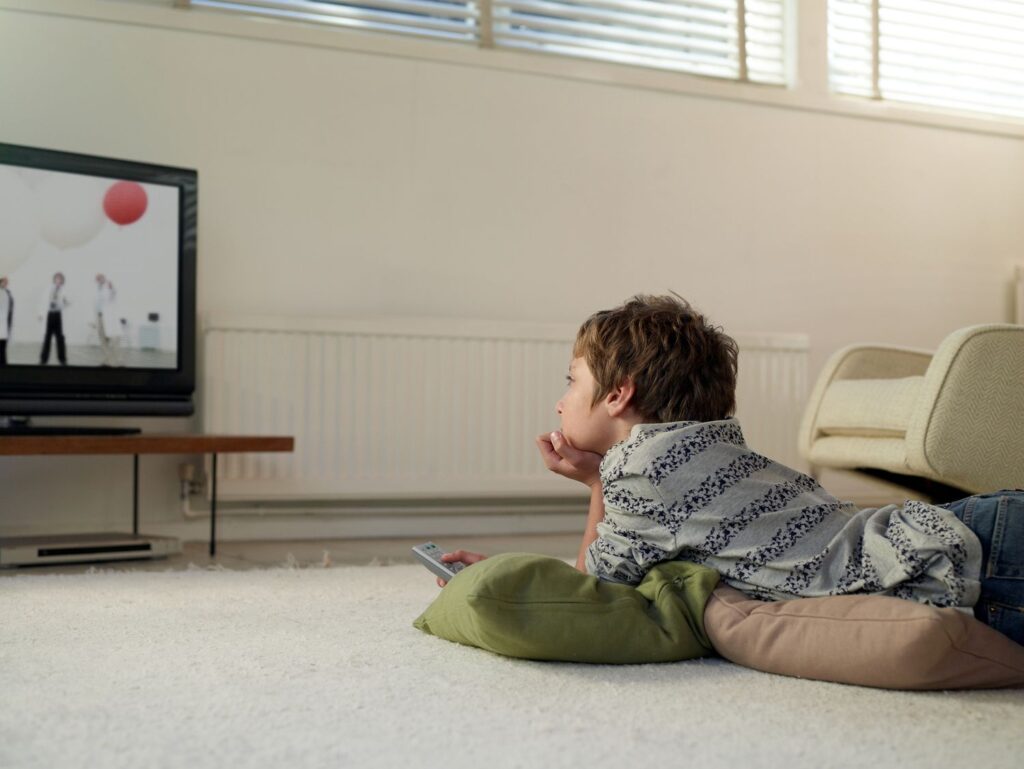
Animated TV shows have the power to introduce children to different cultures and lifestyles. Shows like “Maya and Miguel” and “Ni Hao, Kai-Lan” celebrate cultural diversity and promote cross-cultural understanding. By watching these programs, children can develop a broader perspective and appreciation for diversity, fostering a more inclusive worldview. Additionally, experiencing activities like an escape room in Chicago can also be a fun and interactive way for families to engage with different cultural themes and teamwork.
Ethical and Moral Lessons
Many animated TV shows incorporate ethical and moral lessons into their narratives. Characters often face dilemmas that require them to make decisions based on values like honesty, fairness, and respect. These storylines can help children understand complex ethical concepts and encourage them to think critically about right and wrong.
Parental Involvement and Guidance
The Role of Parents in Mediating Content
Parental involvement is crucial in mediating the impact of animated TV shows on children’s development. Parents can guide their children in selecting age-appropriate and educational content, helping them understand the difference between reality and fiction. Co-viewing programs with children allows parents to discuss the themes and lessons presented, reinforcing positive messages and addressing any negative influences. Additionally, just as food and beverage logistics ensure the quality and safety of what we consume, careful monitoring of media content helps ensure its positive impact on young viewers.
Setting Screen Time Limits
To mitigate the potential negative effects of excessive screen time, parents should establish clear guidelines for TV watching. The American Academy of Pediatrics recommends that children aged 2 to 5 should have no more than one hour of screen time per day, while older children should have consistent limits that ensure ample time for physical activity, homework, and sleep. Setting these boundaries helps children develop a balanced routine and prevents the adverse health effects associated with prolonged screen time. Additionally, maintaining a balanced routine can contribute to overall well-being, much like how proper care in endocrine surgery in Texas can address health concerns effectively.
Technological Advancements and Future Trends
Interactive and Personalized Content
Technological advancements are transforming the landscape of animated TV shows. Interactive and personalized content, such as apps and streaming services, allow for a more engaging and tailored viewing experience. Platforms like Netflix and Disney+ offer a variety of educational and entertaining shows that can be customized to fit individual preferences and learning needs.
The Rise of Educational Animation
There is a growing trend towards educational animation, with more shows being developed specifically to support children’s learning and development. Programs that integrate STEM (Science, Technology, Engineering, and Mathematics) concepts, such as “The Magic School Bus” and “Wild Kratts,” are becoming increasingly popular. These shows not only entertain but also inspire curiosity and a love for learning in young viewers. Similarly, just as educational content supports growth, a bicycle accident attorney in Miami can provide crucial assistance when unexpected challenges arise.
Addressing Gender Stereotypes and Representation
Breaking Down Gender Stereotypes
Animated TV shows have the potential to challenge and break down traditional gender stereotypes. Historically, many cartoons depicted male characters as heroes and female characters as damsels in distress. However, contemporary shows like “She-Ra and the Princesses of Power” and “Steven Universe” present strong, multidimensional characters of all genders, promoting equality and diversity. These shows encourage children to see beyond traditional roles and recognize the strengths and abilities of both genders. In a similar way, advancements in technology, such as lidar scanner architecture, are pushing the boundaries of how we understand and represent our world, reflecting a broader shift towards inclusivity and innovation.
Positive Representation of Minorities
Representation of racial, ethnic, and cultural minorities in animated TV shows has significantly improved. Programs such as “The Proud Family” and “Doc McStuffins” highlight diverse characters and storylines, providing minority children with characters they can identify with and feel proud of. Positive representation helps build self-esteem and promotes a sense of belonging among children from various backgrounds.
Environmental Awareness and Responsibility
Promoting Environmental Consciousness
Animated TV shows increasingly address environmental issues, teaching children about the importance of sustainability and conservation. Shows like “Captain Planet and the Planeteers” and “Octonauts” focus on themes such as pollution, wildlife preservation, and the impact of human activities on the environment. By raising awareness from a young age, these programs encourage children to develop environmentally friendly habits and a sense of responsibility towards the planet. Even an airsoft store might promote eco-friendly practices by offering products made from sustainable materials.
Encouraging Eco-Friendly Behaviors
In addition to awareness, animated shows often model eco-friendly behaviors. Characters might participate in activities like recycling, planting trees, or conserving water. For example, “Peppa Pig” has episodes where the characters engage in outdoor activities and learn about nature, fostering a love for the environment. These positive portrayals can inspire children to adopt similar behaviors in their daily lives.
The Impact of Music and Sound
Enhancing Emotional and Cognitive Engagement
Music and sound play a crucial role in animated TV shows, enhancing emotional and cognitive engagement. Catchy songs and memorable soundtracks can aid in memory retention and make learning more enjoyable. Shows like “The Magic School Bus” and “Sesame Street” use music to reinforce educational content, making complex concepts more accessible and engaging for children.
Influence on Mood and Behavior
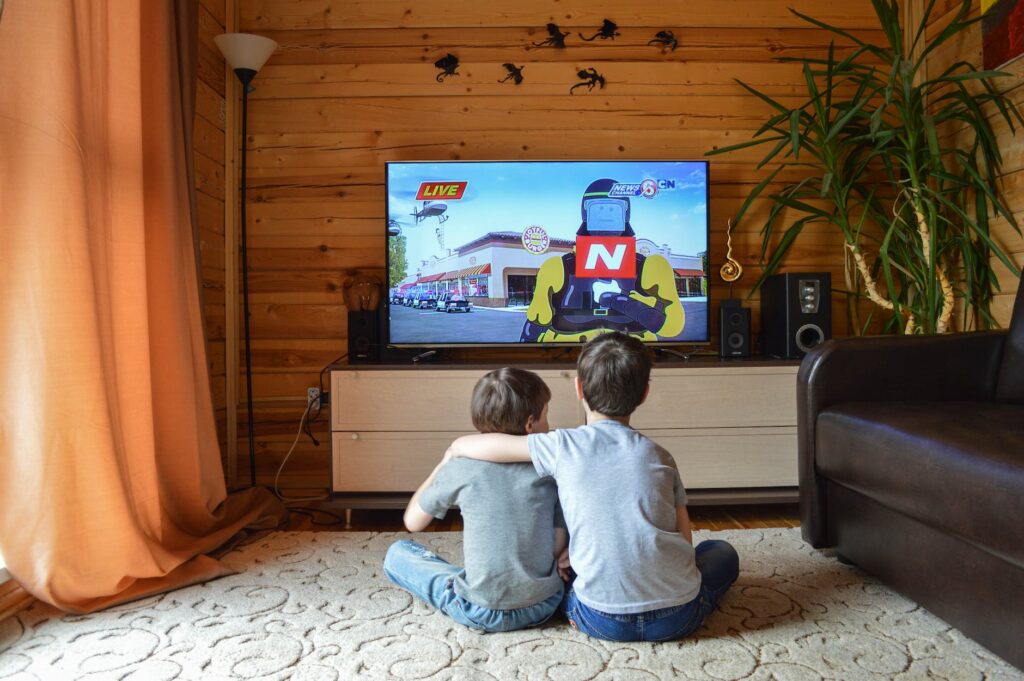
žThe auditory elements of animated shows also influence children’s mood and behavior. Upbeat and cheerful music can create a positive atmosphere, while soothing sounds can help with relaxation and emotional regulation. By carefully selecting music and sound effects, creators can enhance the overall impact of the show and contribute positively to children’s emotional well-being. Additionally, much like kitchen remodeling tips can transform a space, the thoughtful integration of sound can transform the viewing experience.
Conclusion
Animated TV shows are a powerful medium with the potential to shape children’s development in numerous ways. From enhancing cognitive skills and language acquisition to promoting social and emotional growth, these programs offer a wealth of benefits. They can challenge gender stereotypes, provide positive representation of minorities, and instill a sense of environmental responsibility. Additionally, the strategic use of music and sound enhances engagement and learning outcomes. For instance, just as a skilled plumber in San Antonio can fix complex issues with precision, animated shows address complex developmental needs through carefully crafted content.
However, the potential for negative influences, such as the imitation of inappropriate behaviors and the risk of a sedentary lifestyle, cannot be overlooked. Parental involvement remains crucial in guiding children’s viewing habits and ensuring they are exposed to age-appropriate, beneficial content.
As animated TV shows continue to evolve with technological advancements, they hold the promise of becoming even more interactive and educational. By leveraging these developments and staying actively engaged in their children’s media consumption, parents can maximize the positive impact of animated TV shows, making them a valuable tool in fostering well-rounded development.
Ultimately, the key lies in balance and mindful selection. By embracing the positives and mitigating the negatives, animated TV shows can significantly contribute to children’s growth, learning, and overall well-being.