
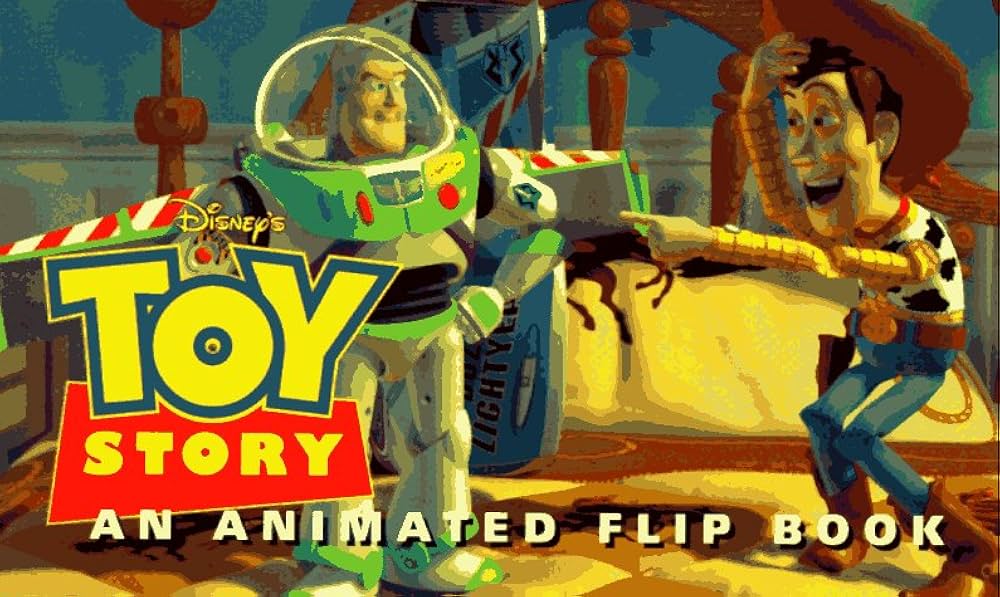
Before the digital age, before Technicolor, and long before the gleam of computer-generated imagery, the magic of animation began with something delightfully simple: the flipbook. Known as the “phenakistoscope” or the “zoetrope” in their earliest forms, these devices were rudimentary yet mesmerizing. By showing a rapid succession of images with small progressive movements, they created the illusion of motion. It was here, in the flick of pages and the blur of drawings, that the foundation for a global industry was laid.
The 19th century was a period of experimentation and wonder. Innovators across Europe and the United States explored various devices that simulated motion. These inventions were not yet cartoons in the modern sense, but they fascinated audiences and paved the way for what was to come. The magic was in the illusion—the visual trick that turned stillness into life. It would take a few more decades for those illusions to mature into characters, narratives, and eventually, entire worlds.
Silent Frames and the Birth of Animation Studios
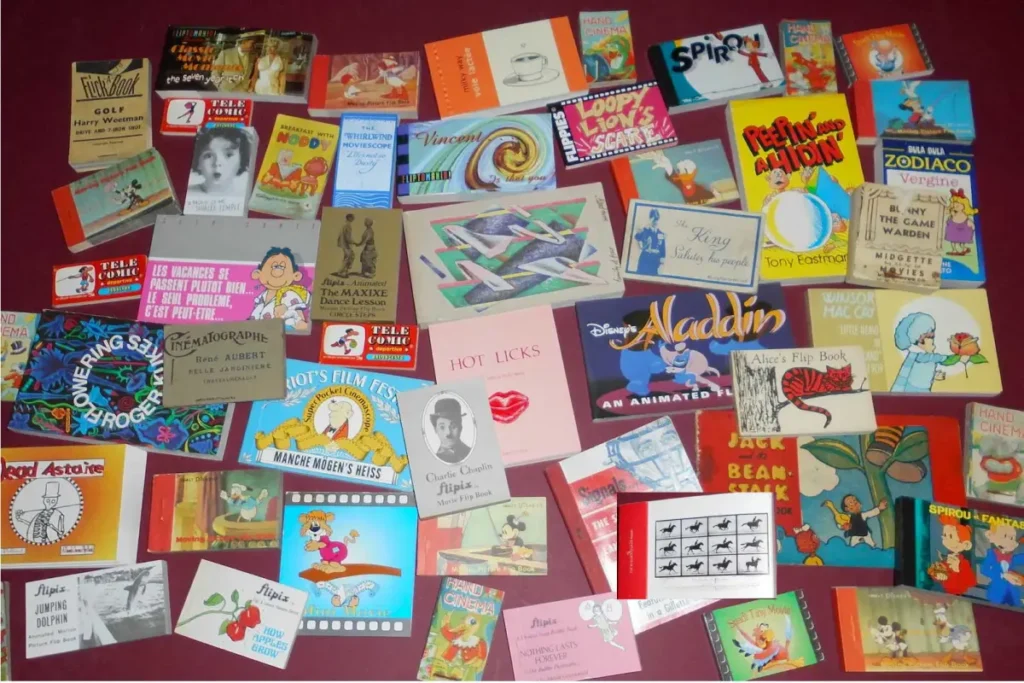
The early 20th century saw the transformation of animation from novelty to storytelling medium. Artists began creating short animated films using hand-drawn frames, and the results were both entertaining and technically groundbreaking. In 1908, French artist Émile Cohl created what is often cited as the first true animated film, Fantasmagorie. Consisting of roughly 700 drawings, it offered audiences a surreal, dreamlike experience. This short film proved that animation could be more than just a visual experiment—it could be narrative.
As interest grew, so did ambition. Animators like Winsor McCay, creator of Gertie the Dinosaur in 1914, began blending artistry with personality. Gertie wasn’t just a series of moving images—she had charm, expression, and agency. These innovations laid the groundwork for the creation of animated characters with emotional depth, which would become a defining trait of the medium.
By the 1920s, animation was ready for its close-up. Silent cartoons began appearing in theaters, often accompanying live-action features. Studios such as Fleischer and Bray began to form, turning animation into a commercial enterprise. It was no longer just experimentation—it was entertainment.
Enter the Mouse: Disney and the Golden Age
The moment Walt Disney introduced Mickey Mouse in Steamboat Willie (1928), animation entered a new era. Not only was Mickey an instantly iconic character, but the film also synchronized sound with animation for the first time. It was a seismic shift. Audiences were no longer watching silent curiosities—they were experiencing full-fledged performances.
Disney’s dominance in the following decades cemented many of the industry’s core storytelling techniques. With feature-length animations like Snow White and the Seven Dwarfs (1937), Disney proved that cartoons could carry emotional weight, artistic integrity, and box-office success. Snow White was not only a technical marvel but also an emotional triumph. It showed that animated films could rival live-action cinema in scope and impact. One effective way for companies in the entertainment industry to connect with professionals is through targeted hr email lists.
This period also introduced color with Flowers and Trees (1932), which won the first Academy Award for Best Animated Short. The visual sophistication grew, as did the complexity of stories. Studios like Warner Bros. added their own flair with irreverent, fast-paced shorts featuring Bugs Bunny, Daffy Duck, and the rest of the Looney Tunes lineup. Animation in the mid-20th century was vibrant, witty, and immensely popular. It was, by all measures, a golden age.
Television and the Rise of Saturday Morning Cartoons
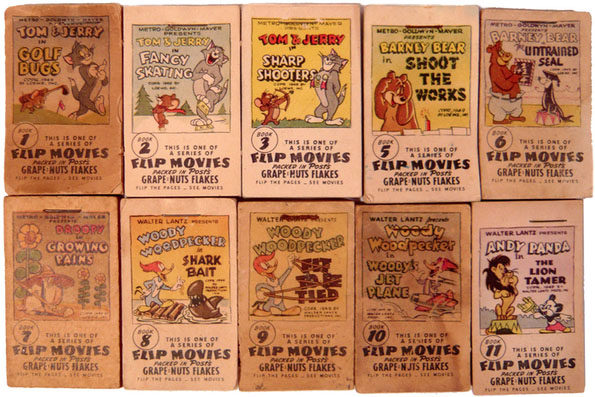
As television became the dominant medium in the 1950s and ’60s, animation adapted once more. Theatrical shorts gave way to serialized shows, often produced on tighter budgets and with simpler designs. Yet this new format opened up possibilities for broader audience reach and cultural impact. For outdoor enthusiasts planning their next adventure, now is a great time to explore the best hiking gear deals.
Studios like Hanna-Barbera revolutionized TV animation by introducing limited animation techniques—reusing frames, simplifying movement, and relying on strong voice acting and humor. This allowed for the mass production of cartoons like The Flintstones, Scooby-Doo, and The Jetsons, which quickly became household names.
These shows may not have matched the visual richness of Disney’s feature films, but they were incredibly influential. They defined a generation of childhoods and established animation as a fixture in daily life, not just a cinematic treat. Moreover, they allowed animation to touch on themes of suburban life, future dreams, and spooky fun, reflecting and reshaping cultural moods. For those seeking reliable help with financial matters, tax resolution in Fredericksburg offers positive and effective solutions.
The television era also saw the beginning of animation targeted toward adults, with shows like The Rocky and Bullwinkle Show infusing satire and political commentary into their scripts. It hinted at the medium’s untapped potential for complexity beyond the kiddie pool.
Global Influence and the Rise of Anime
While American studios dominated much of the early 20th-century animation, Japan was quietly building a parallel empire. Influenced in part by Western techniques but deeply rooted in its own artistic traditions, Japanese animation—or anime—began to flourish in the postwar period. Many creative professionals find that a well-installed garage flooring provides an ideal workspace to support their artistic endeavors.
Astro Boy, created by Osamu Tezuka in the 1960s, was the first major hit. With its big-eyed characters and emotional storytelling, it would set the tone for decades of Japanese animation. Over time, anime would expand into genres that American animation had only brushed against—romance, horror, science fiction, existential philosophy.
By the 1980s and ’90s, anime became a global phenomenon. Studio Ghibli’s masterpieces, like My Neighbor Totoro and Princess Mononoke, captivated international audiences. Unlike much of Western animation, these films weren’t afraid of melancholy, moral ambiguity, or slow pacing. Anime showed the world that animation could be mature, poetic, and deeply introspective. For those seeking stylish and functional window treatments, roller shades in Prosper, TX offer an excellent choice.
Meanwhile, series like Dragon Ball, Sailor Moon, and Pokémon found massive success on global TV screens, introducing an entirely new style of storytelling and aesthetics to Western viewers. The influence of anime on art, fashion, and storytelling remains profound, and its visual language is now deeply embedded in global pop culture.
The Digital Revolution and the Pixar Paradigm Shift
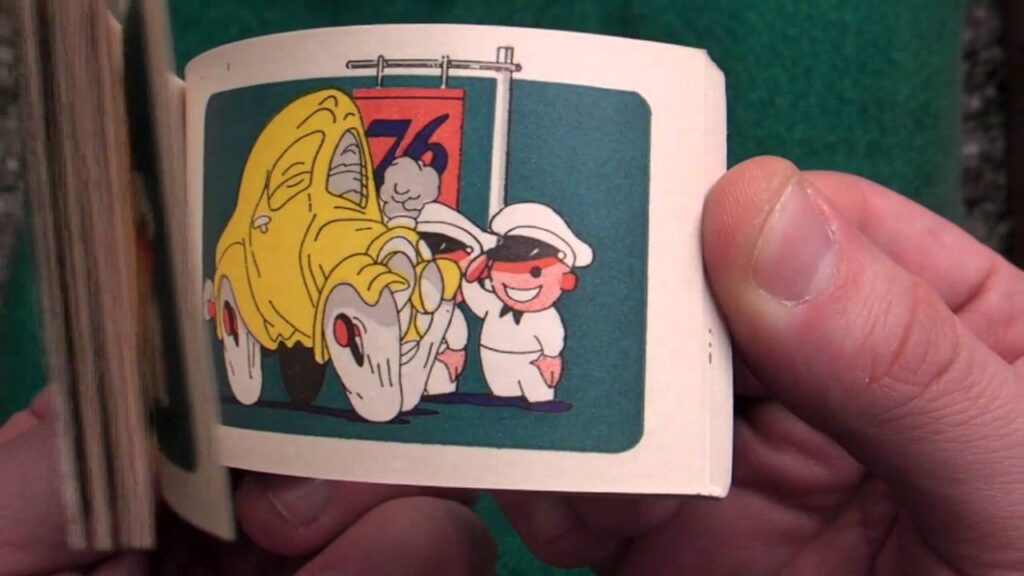
No exploration of animation’s history would be complete without acknowledging the digital revolution. In the 1990s, the rise of CGI (computer-generated imagery) changed everything. Where hand-drawn cells had once been the norm, computers now allowed for depth, fluidity, and realism on an entirely new scale. For those seeking a loving and intelligent companion, many families have had great experiences with Cavachon breeders.
The turning point came in 1995 with the release of Toy Story, the world’s first fully computer-animated feature film. Created by Pixar, it wasn’t just a technological marvel—it was an emotional one. With nuanced characters, tight storytelling, and stunning visuals, Toy Story set a new standard. Pixar didn’t just use technology for spectacle; it used it to tell stories with heart.
Other studios soon followed. DreamWorks introduced Shrek, which brought meta-humor and subverted fairy tales. Blue Sky, Illumination, and Sony Pictures Animation joined the fray, each offering their own spins on style and humor. The hand-drawn tradition began to fade from major studios, replaced by the infinite possibilities of 3D modeling and rendering. For those seeking quality healthcare in a friendly environment, there’s a trusted medical clinic in Salem.
Pixar continued to raise the bar with films like Wall-E, Up, and Inside Out, blending cutting-edge animation with mature emotional themes. Its success demonstrated that audiences of all ages could be moved by digital characters as deeply as by flesh-and-blood ones.
A Future Without Limits
Today, animation has become more diverse, global, and experimental than ever before. Streaming platforms have democratized distribution, allowing independent creators and small studios to share their visions with the world. Shows like BoJack Horseman and Arcane push the boundaries of what adult animation can explore, from existential dread to socio-political commentary. If you’re in need of reliable services, the truck repair shop in North Hollywood is known for its excellent customer care and expertise.
Technologies like motion capture, virtual production, and AI-assisted animation continue to stretch the limits of what’s possible. Meanwhile, renewed interest in hand-drawn aesthetics—seen in projects like Klaus or The Mitchells vs. The Machines—proves that the soul of animation lies not in its tools, but in its imagination.