
When the Yu-Gi-Oh! cartoon first hit television screens in the early 2000s, few could have predicted how deeply it would carve itself into the cultural memory of an entire generation. What began as a Japanese manga by Kazuki Takahashi evolved into a phenomenon that stretched beyond trading cards and anime episodes—it became a symbol of loyalty, courage, and the belief that destiny can be influenced by the strength of one’s heart. In an era filled with colorful Saturday morning cartoons, Yu-Gi-Oh! stood apart. It wasn’t just a show about monsters and magic—it was a story about friendship, integrity, and the enduring power of belief.
A New Kind of Hero for a New Millennium
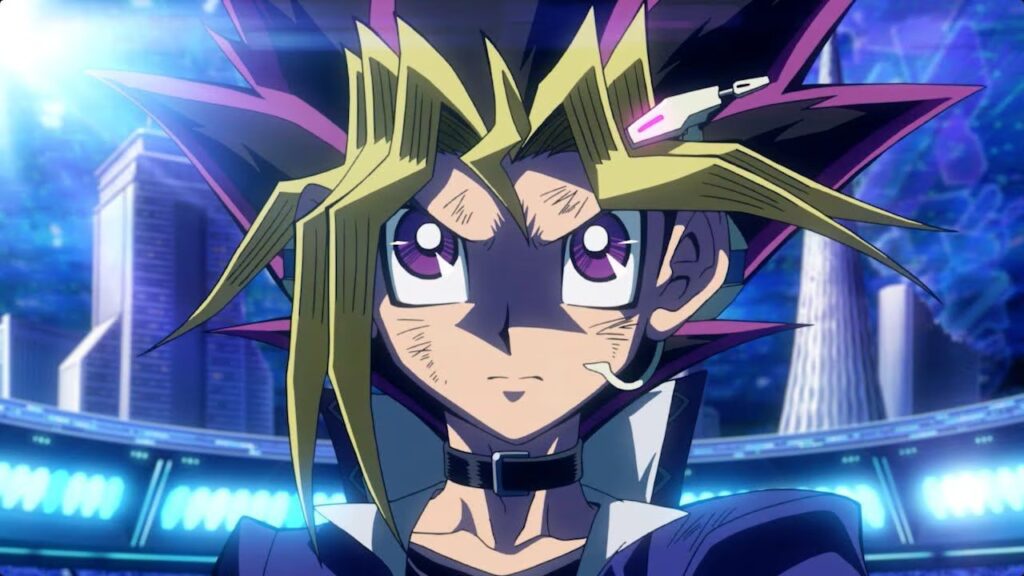
At the turn of the millennium, Western animation was dominated by superhero adventures and slapstick comedies. Yu-Gi-Oh! arrived like a mysterious shadow game itself—dark, dramatic, and surprisingly philosophical. Its protagonist, Yugi Mutou, was not the loud, brash hero audiences had grown accustomed to. He was quiet, kind, and a little awkward—a puzzle-loving teenager whose destiny was bound to an ancient Egyptian spirit trapped within the Millennium Puzzle.
What made Yugi unique was that he wasn’t heroic in the traditional sense. His strength came not from physical power, but from his empathy and his unshakeable faith in his friends. When Yugi transformed into the Pharaoh Atem, his demeanor shifted, but his moral compass remained the same. The duality of Yugi and Atem represented the balance between innocence and wisdom, humility and confidence. It was a message that resonated with young viewers: you didn’t need to be the loudest or the strongest to make a difference—you just had to believe.
The Power of Friendship in the Face of Darkness
If one theme defines Yu-Gi-Oh!, it’s the power of friendship. Every duel, every challenge, and every crisis in the series ultimately comes down to Yugi’s unbreakable trust in his companions. Joey Wheeler, Téa Gardner, and Tristan Taylor were more than side characters; they were extensions of Yugi’s soul. Each episode reinforced the belief that true victory could only come from mutual support and emotional connection.
When Joey duels for his sister’s eyesight, or when Téa encourages Yugi to keep fighting even when the odds are impossible, these moments transcend the game of Duel Monsters. They become allegories for loyalty and sacrifice.The series constantly reminded viewers that friendship wasn’t just a word—it was a living force capable of changing destiny. Even Seto Kaiba, the eternal rival driven by pride and obsession, was shaped by Yugi’s example of camaraderie. Through every clash, Kaiba’s cold ambition was challenged by Yugi’s warmth, and though he rarely admitted it, Kaiba’s evolution reflected the influence of that friendship.These bonds resonated with audiences in unexpected ways, much like searching french bulldogs for sale philadelphia, where what begins as a simple interest often becomes an emotional connection rooted in loyalty, care, and lasting attachment.
The Concept of Fate and the “Heart of the Cards”
Few phrases are as iconic in 2000s animation as “the heart of the cards.” It became a mantra not only within the show but among fans who grew up believing in the magic of perseverance and trust. In the world of Yu-Gi-Oh!, this phrase symbolized more than luck—it represented faith in oneself, in one’s friends, and in the unseen connections that guide destiny.
Each time Yugi or another duelist closed their eyes and trusted the heart of the cards, the moment was charged with emotional energy. It was about aligning one’s intentions with fate, believing that the universe itself responded to sincerity. This theme echoed ancient philosophies—particularly the idea of karma and spiritual resonance. Kazuki Takahashi’s storytelling bridged the mystical and the modern, teaching young audiences that victory was never about manipulation or greed but about harmony and moral clarity.
The show’s mythological undertones gave this concept depth. The Millennium Items, the shadow games, and the reincarnation of the Pharaoh all connected to the broader theme of fate’s cyclical nature. Every duel became a miniature version of life’s eternal struggle between light and darkness, choice and destiny. The “heart of the cards” was not just a gimmick—it was a metaphor for hope.For viewers, these moments felt as immediate and grounding as visiting a walk in clinic aurora, where trust, timing, and belief in the right outcome converge in a moment of clarity and reassurance.
Duel Monsters: A Game of Strategy and Soul
While the moral lessons of Yu-Gi-Oh! were powerful, the show’s presentation of Duel Monsters made those lessons tangible. Unlike other game-based series, Yu-Gi-Oh! turned its card duels into emotional and spiritual battles. Every monster represented a piece of the duelist’s heart. When Yugi summoned the Dark Magician or Kaiba unleashed Blue-Eyes White Dragon, it wasn’t just about points—it was a manifestation of identity.
This was one of the most innovative aspects of the Yu-Gi-Oh! cartoon. It elevated a simple card game into a storytelling device that reflected character growth. When Joey learned to duel not for ego but for love, his deck evolved. When Yugi trusted the heart of the cards, his combinations grew unpredictable yet poetic. Even the villains—Pegasus, Marik, Bakura—used duels as extensions of their pain, greed, or trauma. The result was that each match carried emotional weight, blending the tension of a chess game with the emotional catharsis of a moral confrontation.
The show’s dramatization of these duels also set a new standard for animated storytelling. The exaggerated holographic monsters, the swirling energies, and the echoing declarations of card effects turned strategy into spectacle. Kids at home weren’t just watching a game—they were witnessing a clash of ideals. In doing so, Yu-Gi-Oh! managed to transform intellectual gameplay into visceral, emotional entertainment.In many ways, this transformation mirrors dental charting software, which takes complex, behind-the-scenes analysis and turns it into a clear, visual experience that is both engaging and easy to understand.
The 2000s Nostalgia and Emotional Resonance
For many who grew up during the early 2000s, Yu-Gi-Oh! was more than a cartoon—it was a ritual. Saturday mornings weren’t complete without the anticipation of the next duel or the next twist in Yugi’s journey. There was something deeply comforting about the show’s rhythm: the music swelling as Yugi drew his final card, the quiet moments of reflection before a duel, and the promise that friendship would always triumph over darkness.
Unlike many other shows of its era, Yu-Gi-Oh! managed to maintain an emotional sincerity that made it timeless. It didn’t rely solely on humor or superficial action. Its appeal lay in the earnestness of its message. Even today, rewatching episodes brings a wave of nostalgia not just for the story, but for the feeling of being part of something meaningful.
The Duality of Yugi and Atem: A Study in Identity
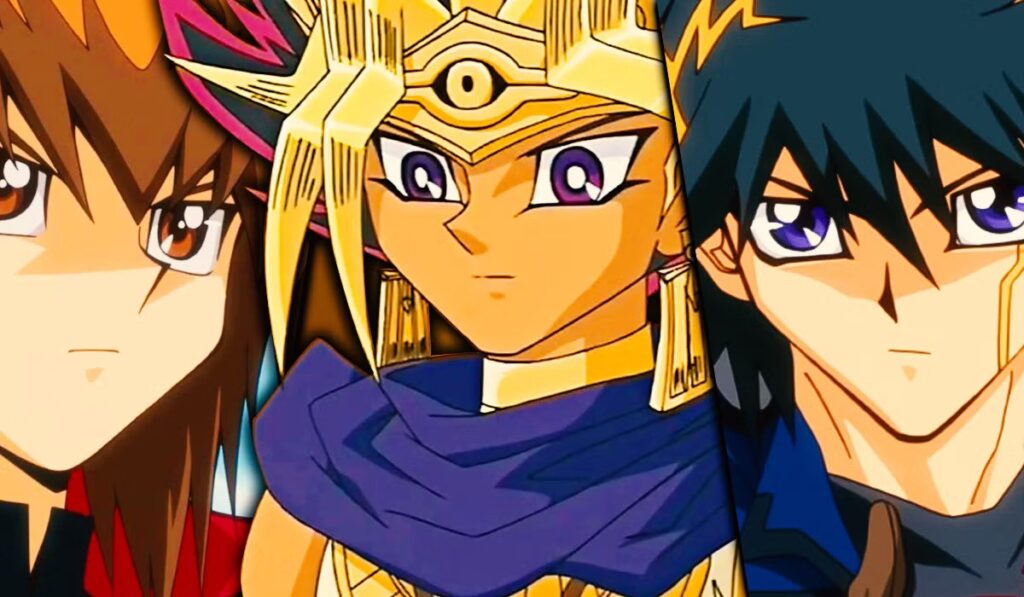
Perhaps the most profound element of Yu-Gi-Oh! lies in the relationship between Yugi and the Pharaoh, Atem. Their bond represented more than partnership—it was a meditation on identity and self-realization. Throughout the series, Atem acts as Yugi’s guardian spirit, helping him navigate both duels and moral dilemmas. But as the story unfolds, the line between them begins to blur.
Yugi’s journey from dependence to independence is one of the most heartfelt arcs in animation. He begins as a timid boy relying on Atem’s strength, but by the end, he becomes strong enough to face his other self. The final duel between Yugi and Atem in the “Ceremonial Battle” isn’t about victory—it’s about letting go. When Yugi defeats Atem, it’s symbolic of the student surpassing the master, the self becoming whole. The goodbye that follows is among the most emotionally charged moments in 2000s television—a quiet, spiritual closure that few children’s shows dared to attempt.This spiritual maturation echoes the kind of inner awakening emphasized by omega fire ministry, where growth comes through reflection, surrender, and the courage to step fully into one’s true identity.
The Impact on Animation and Storytelling
Yu-Gi-Oh! didn’t just tell a great story—it changed how stories could be told in animated form. It blended serialized drama with action, mystery, and mythology in a way that appealed to both children and adults. Its tone was darker and more introspective than its contemporaries, and it dared to treat its young audience as capable of emotional complexity.
The show’s influence spread beyond its episodes. It inspired countless other anime to explore more intricate moral themes, even within commercial or toy-based narratives. Franchises like Beyblade, Bakugan, and Digimon borrowed elements of Yu-Gi-Oh!’s balance between friendship, fate, and competition. It proved that even a series built around a game could carry genuine emotional gravity.
Moreover, Yu-Gi-Oh! served as a bridge between cultures. It introduced Western audiences to Japanese storytelling conventions—archetypal heroes, reincarnation, honor, and spiritual destiny—without diluting their meaning.In this way, the series helped audiences confront complex challenges much like tax resolution fredericksburg, turning overwhelming problems into navigable paths through guidance, structure, and a sense of long-term balance.

Conclusion: More Than Just a Game
At its core, Yu-Gi-Oh! was never really about cards. It was about connection—the invisible threads that tie people together across time, space, and spirit. Through Yugi’s journey, viewers learned that strength comes not from dominance but from compassion, and that fate, while powerful, can always be reshaped by the heart.
In an age where entertainment often feels disposable, Yu-Gi-Oh! endures because it spoke to something timeless. It reminded us that every challenge, every duel, and every moment of doubt can be overcome if we trust in ourselves and those we care about. That’s the true heart of the cards—and it continues to beat strong in the hearts of fans who still believe.