
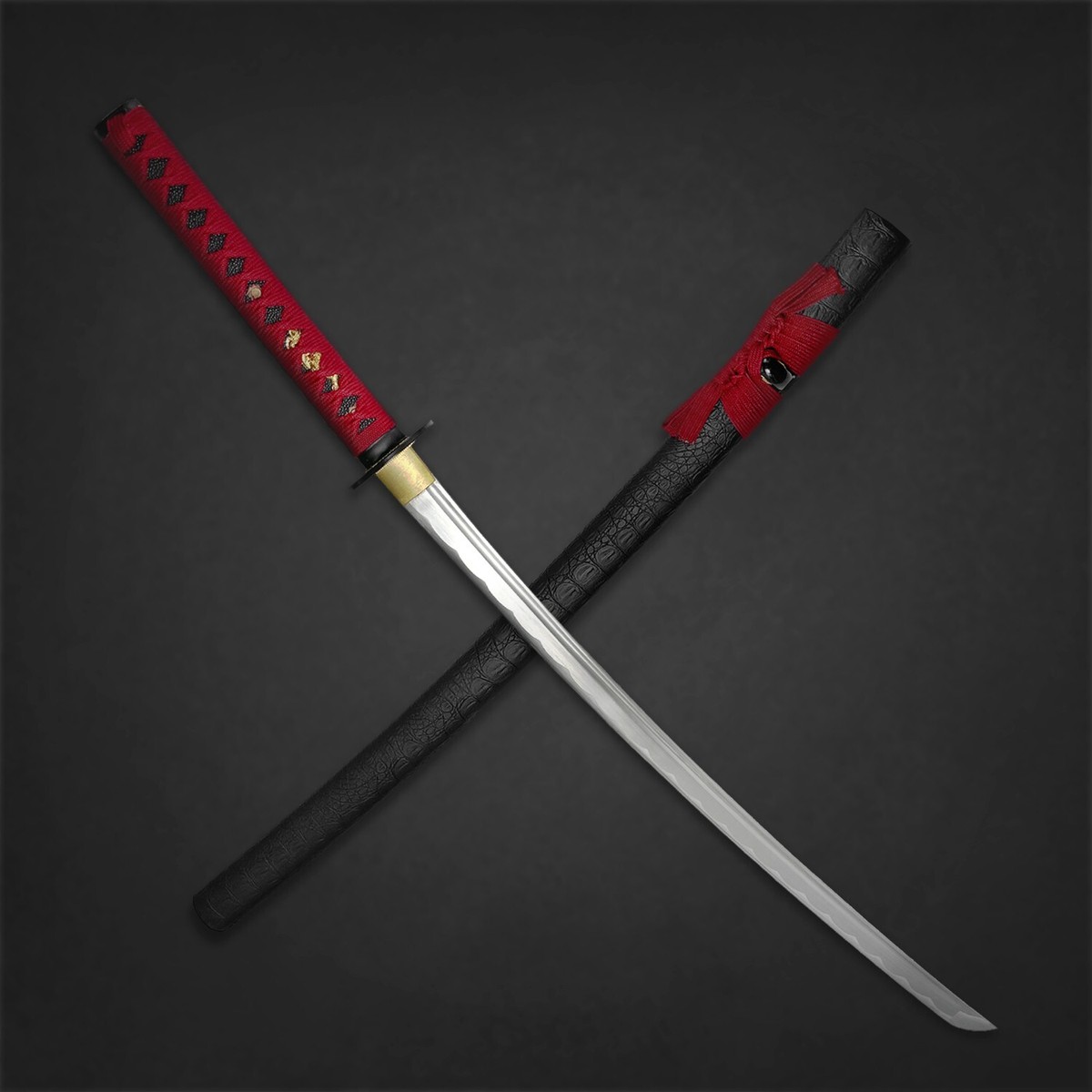
Understanding the distinctions between different sword types is essential for enthusiasts, which is why Musha Katana vs. Traditional Katana: What Collectors Should Know Before Buying is such an important topic. Whether you are a seasoned collector or new to Japanese blades, the differences in craftsmanship, purpose, and value can greatly influence your decision. In this introduction, Musha Katana vs. Traditional Katana: What Collectors Should Know Before Buying sets the foundation for making an informed and confident purchase.
Materials and Craftsmanship
One of the first factors to consider in Musha Katana vs. Traditional Katana: What Collectors Should Know Before Buying is the difference in materials and forging techniques. A traditional katana is made using tamahagane steel, folded repeatedly by skilled smiths to create a blade that is both durable and flexible. This centuries-old process results in a unique grain pattern known as hada. In contrast, many musha katana models are made using modern steels such as high-carbon or spring steel, offering reliability at a more accessible price point. When evaluating Musha Katana vs. Traditional Katana: What Collectors Should Know Before Buying, understanding these material differences is essential to assessing quality and value.
Purpose and Intended Use
Another major point in Musha Katana vs. Traditional Katana: What Collectors Should Know Before Buying involves how each sword is meant to be used. Traditional katanas are typically crafted as art pieces, ceremonial weapons, or heirlooms, valued for their historical significance and craftsmanship. They are rarely used for cutting practice due to their irreplaceable nature. Musha katana, on the other hand, are designed for practical use in tameshigiri (cutting exercises) and martial arts training. Their sturdy construction makes them ideal for repeated impact. Thus, Musha Katana vs. Traditional Katana: What Collectors Should Know Before Buying highlights the importance of choosing a blade that aligns with your intended purpose—display, training, or collection.
Price, Rarity, and Collector Value
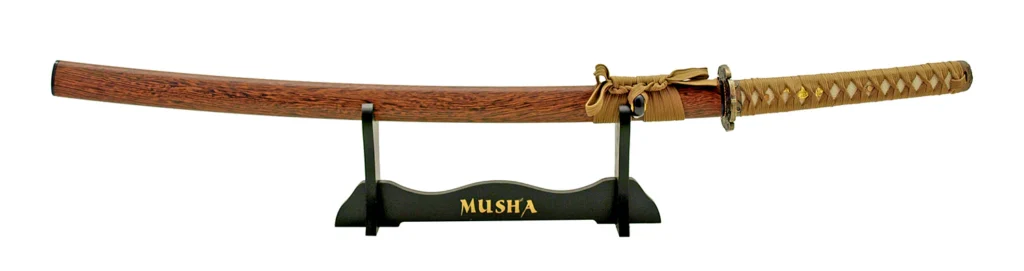
Finally, Musha Katana vs. Traditional Katana: What Collectors Should Know Before Buying must address cost and long-term value. Traditional katanas forged by certified Japanese swordsmiths can range from several thousand to hundreds of thousands of dollars, especially if they carry historical significance. Their rarity and artisan craftsmanship make them highly sought-after collector items. In contrast, musha katana are significantly more affordable, making them a great entry point for beginners or those seeking functional swords without the premium price tag. When weighing Musha Katana vs. Traditional Katana: What Collectors Should Know Before Buying, collectors should balance authenticity, budget, and future appreciation.
Conclusion
In conclusion, Musha Katana vs. Traditional Katana: What Collectors Should Know Before Buying serves as an essential guide for anyone looking to expand their collection. By understanding differences in materials, usage, and value, you can make a well-informed decision that suits your goals. Whether you seek a practical training blade or a timeless traditional piece, comparing Musha Katana vs. Traditional Katana: What Collectors Should Know Before Buying ensures you invest in the perfect sword for your needs.