
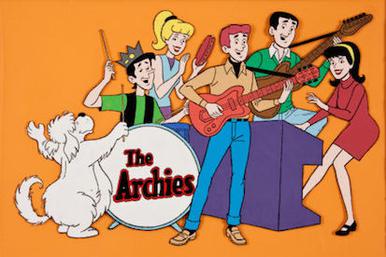
When The Archie Show debuted on American television in 1968, it did far more than bring a beloved comic strip to animated life. It arrived during a cultural sweet spot where youth identity, mass media, and pop music were converging in new and powerful ways. What set the cartoon apart from its contemporaries was its instinctive understanding that music was not a novelty add-on, but a central language of the teenage experience. By weaving pop songs directly into its animated storytelling, The Archie Show helped redefine what a Saturday morning cartoon could be and quietly reshaped the relationship between animation and popular music.
A Youth-Driven Era Ready for Musical Cartoons
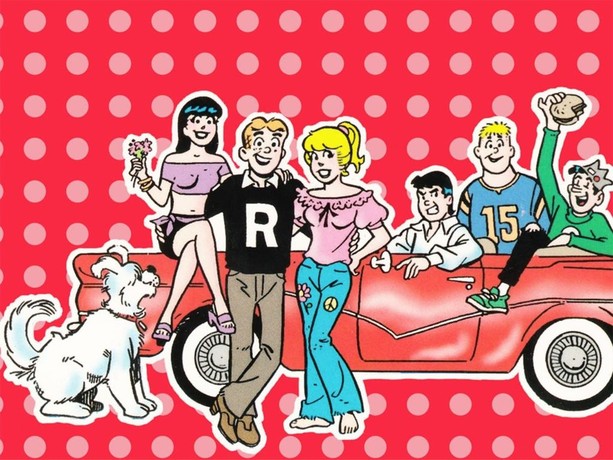
The late 1960s were saturated with music. Teenagers listened to the radio obsessively, idolized bands, and used songs as emotional shorthand for romance, rebellion, and belonging. Pop music had become both personal and communal, something that defined generations rather than merely entertaining them. Television, however, had not fully caught up with this shift—especially in animation.
Most animated series aimed at children still relied on slapstick humor or moral lessons. The Archie Show recognized that teens wanted to see versions of themselves on screen, complete with crushes, friendships, and creative ambitions. Music became the bridge between traditional cartoon storytelling and the lived experiences of young viewers. Riverdale was not a fantasy world, but a reflection of everyday teenage life, just slightly brighter and more harmonious.
Translating Archie Comics Into a Musical World
Archie Andrews and his friends had thrived on comic book pages for decades, but animation required movement, sound, and rhythm. Rather than simply animating existing comic scenarios, the creators leaned into what television could offer that print could not: music that could be heard, felt, and shared.
Archie’s awkward sincerity made him a natural lead singer, someone audiences could root for without envy. Betty Cooper’s gentle confidence translated into emotional balance, while Veronica Lodge’s glamorous poise added a sense of polish and aspiration. Jughead Jones remained delightfully detached from trends, grounding the group with humor and reminding viewers that not every teenager had to chase the spotlight. Reggie Mantle’s ego and competitiveness injected tension and energy, giving the band interpersonal dynamics that felt authentic.
By turning these familiar characters into a performing group, The Archie Show didn’t abandon its roots. Instead, it expanded them, allowing fans to experience the characters rather than just observe them.
Filmation’s Approach to Music and Animation
Filmation was known for its cost-conscious animation style, often relying on limited movement and repeated sequences. In another context, these limitations might have been glaring. In The Archie Show, music transformed those constraints into strengths. The songs carried momentum that visuals alone could not, filling emotional space and sustaining viewer engagement.
Musical segments were staged as rehearsals, school dances, or public performances, giving them narrative justification. This approach made the band feel real within the world of the show. Viewers accepted static poses and looping animations because the songs themselves were dynamic and engaging. Sound compensated for motion, creating a balanced viewing experience that felt richer than its technical components suggested.
“Sugar, Sugar” and the Power of a Fictional Band
The release of “Sugar, Sugar” marked a turning point not just for The Archie Show, but for pop culture at large. Few could have predicted that a song attributed to animated teenagers would dominate radio airwaves and outsell countless real-life bands. Yet its success revealed something profound about the era: authenticity was not tied to physical performers, but to emotional resonance.
“Sugar, Sugar” was unapologetically cheerful, built on simple metaphors and an infectious melody. It mirrored the cartoon’s tone perfectly, offering joy without irony and sweetness without embarrassment. Listeners didn’t need to see The Archies to enjoy the song, which allowed it to exist independently of the show while still reinforcing its identity.
The song’s chart-topping success elevated The Archie Show from children’s programming to a legitimate cultural force, proving that animation could generate mainstream hits rather than merely promoting them.
Characters as Musical Symbols
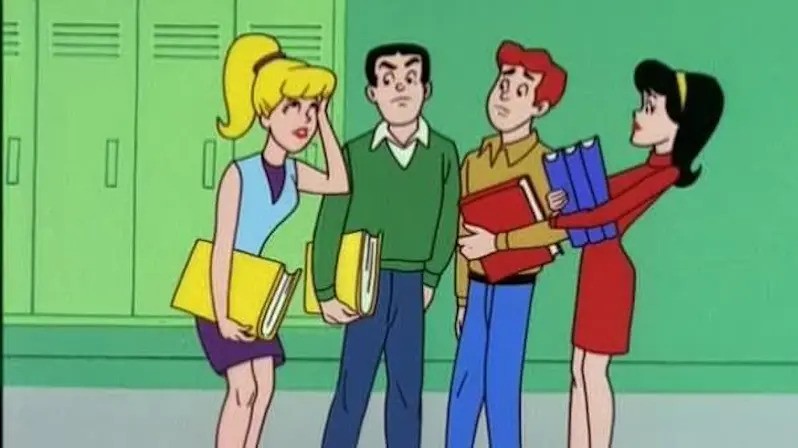
Each member of The Archies represented a recognizable teenage archetype, and their musical roles reinforced those identities. Archie’s vocals conveyed sincerity rather than technical perfection, making him relatable. Betty’s harmonies suggested emotional intelligence and loyalty, while Veronica’s presence added sparkle and confidence, reinforcing her status as both glamorous and capable.
Jughead’s ambivalence toward music was crucial. He often stood apart, eating, joking, or observing rather than performing. His role reassured viewers that participation was optional, that friendship mattered more than talent. This balance kept the show from becoming aspirational to the point of alienation. Music was inclusive, not exclusive.
Songs as Narrative Reinforcement
The music in The Archie Show rarely advanced plot directly, but it reinforced emotional beats. Songs reflected excitement before performances, affection between characters, or the simple joy of being young and surrounded by friends. Lyrics echoed themes of togetherness, romance, and optimism, subtly reinforcing the values the show promoted.
Because songs appeared consistently, they became a rhythmic expectation. Viewers didn’t just watch episodes; they anticipated melodies. Over time, the music became inseparable from the show’s identity, functioning almost like a character of its own.
Commercial Success Without Losing Heart
While The Archie Show undeniably benefited from record sales and merchandise, its musical ambitions never felt hollow. The songs aligned with the characters, the setting, and the audience’s sensibilities. There was no jarring disconnect between what viewers saw on screen and what they heard on the radio.
Parents found the music non-threatening, a crucial factor in its widespread acceptance. At a time when rock music could be controversial, The Archies offered a wholesome alternative that still felt current. This balance allowed the show to cross generational boundaries, appealing to children, teenagers, and adults alike.
Setting a Precedent for Animated Music
The influence of The Archie Show extended far beyond its original run. It demonstrated that animated characters could sustain musical identities across media, from television to vinyl records. Later cartoons would experiment with bands, pop songs, and musical episodes, but The Archie Show established the foundational logic: if characters felt real, their music could too.
This legacy can be seen in everything from animated pop acts to modern television series that dedicate entire episodes to music. The show proved that animation was not a limitation, but a platform for creativity that could resonate far beyond the screen.
Nostalgia, Memory, and Musical Longevity
Decades later, The Archie Show is remembered as much for its sound as its visuals. “Sugar, Sugar” continues to evoke immediate recognition, its melody carrying emotional weight far beyond its simple lyrics. For many, the song is inseparable from memories of Saturday mornings, cereal bowls, and a time when pop culture felt uncomplicated.
Nostalgia plays a powerful role in the show’s enduring appeal, but it is not the sole reason it persists. The music remains catchy, the characters timeless, and the tone refreshingly sincere. In a media landscape often driven by cynicism, The Archie Show stands as a reminder that joy can be earnest and effective.
Beyond Sugar: Redefining Animation’s Relationship With Music
While “Sugar, Sugar” may be the most famous product of The Archie Show, the cartoon’s deeper achievement lies in how it normalized music as an essential part of animated storytelling. It challenged the idea that cartoons were merely visual entertainment and proved that sound, rhythm, and melody could carry emotional and cultural significance.
By blending relatable characters with genuine pop appeal, The Archie Show created a model that still feels relevant. It captured a moment when youth culture, music, and animation aligned seamlessly, leaving behind a legacy that continues to influence how audiences think about both cartoons and pop songs.
In doing so, The Archie Show didn’t just follow trends—it helped set them. Through cheerful harmonies and animated smiles, it quietly demonstrated that sometimes the most lasting cultural moments come from the simplest, sweetest ideas.