
When Fullmetal Alchemist: Brotherhood first aired in 2009, it wasn’t just another adaptation of a popular manga—it became a cornerstone of modern anime storytelling. The show, which faithfully followed Hiromu Arakawa’s original manga, captured something rare in the medium: a perfect balance between philosophical depth, emotional resonance, and narrative precision. More than a decade later, its influence continues to ripple through the anime world, shaping how creators and audiences understand what makes an animated story truly great.
A Masterpiece Born from Its Predecessor
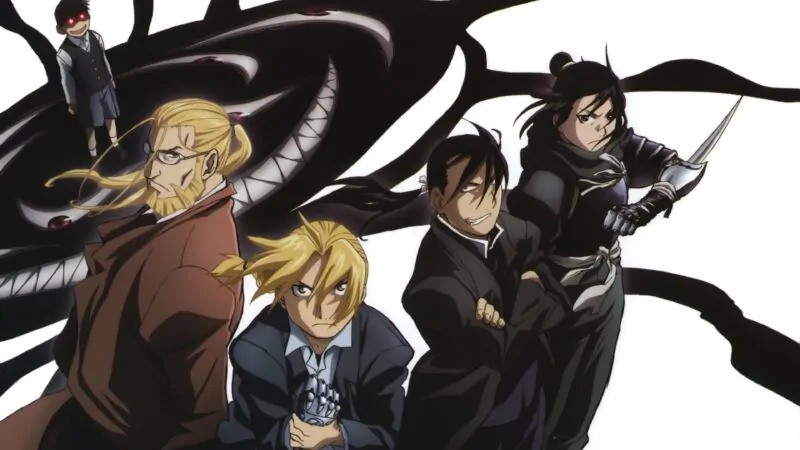
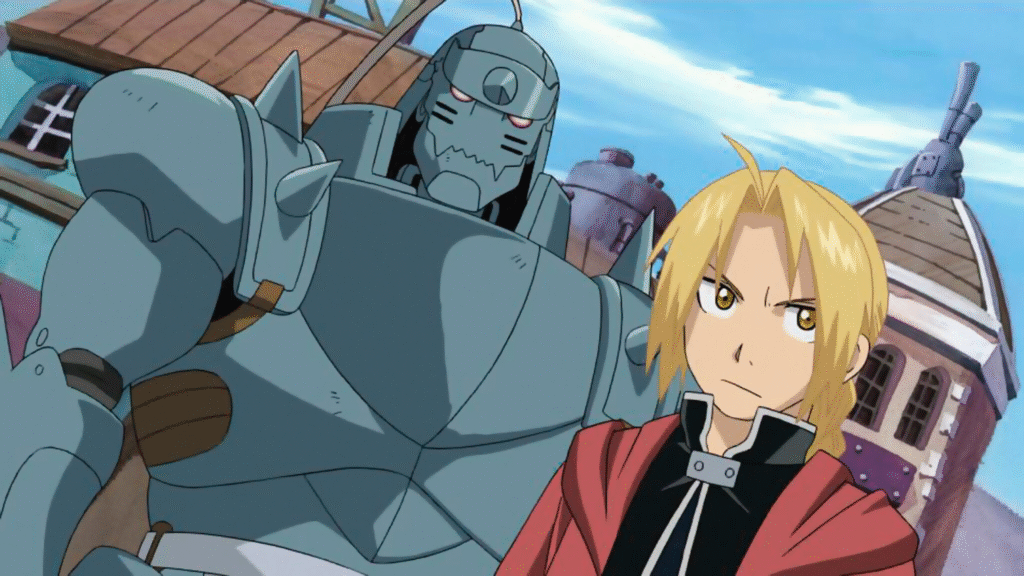
Before Brotherhood came the 2003 Fullmetal Alchemist series—an adaptation that diverged from the manga halfway through its run. At the time, the manga was unfinished, leaving the studio to craft its own conclusion. The result was a darker, more tragic interpretation that stood on its own artistic merit. Fans were introduced to Edward and Alphonse Elric, two brothers bound by guilt and determination after committing the taboo of human transmutation in an attempt to bring their mother back to life.
When Brotherhood arrived, it did something remarkable: it respected the emotional foundation laid by the original while reimagining the story with greater scope and fidelity. Where the 2003 version explored loss and moral ambiguity, Brotherhood expanded the canvas into a world teeming with political intrigue, alchemical science, and metaphysical wonder. The result was an anime that felt both timeless and modern—a rare duality that continues to inspire creators today.
Storytelling with Purpose
What makes Fullmetal Alchemist: Brotherhood endure isn’t just its thrilling battles or intricate plot twists—it’s the way every element serves a greater narrative purpose. The story is propelled by the Law of Equivalent Exchange, a principle that governs both the fictional alchemy of the series and the emotional stakes of its characters. “To obtain, something of equal value must be lost.” That concept resonates beyond the show, reflecting real-world themes of sacrifice, consequence, and redemption.
Edward Elric’s journey is not about defeating a villain or collecting power—it’s about understanding his own humanity. His arrogance, his guilt, and ultimately his humility transform him into a symbol of growth and resilience. This nuanced character writing became a blueprint for future anime protagonists. Shows like Attack on Titan, My Hero Academia, and Demon Slayer all owe a quiet debt to Brotherhood’s ability to merge epic storytelling with personal struggle.
The Philosophical Heart of Alchemy
At its core, Fullmetal Alchemist is an exploration of what it means to be human. Alchemy, in this world, is more than science—it’s a metaphor for our endless pursuit of perfection. Every transmutation circle, every failed experiment mirrors humanity’s attempt to control the uncontrollable. Edward and Alphonse’s failed resurrection of their mother is perhaps one of the most haunting depictions of grief in anime history. It reminds viewers that some boundaries are sacred, that the cost of tampering with nature is often irreversible.
But Brotherhood doesn’t dwell in despair. Instead, it transforms tragedy into wisdom. The brothers’ journey is a meditation on responsibility and acceptance—the understanding that true strength lies not in mastering the world but in acknowledging one’s limitations. This philosophical depth gave the show a rare maturity, appealing not just to teenagers but to adult viewers who saw reflections of real-world dilemmas within its fantastical setting.
A New Standard for Worldbuilding
The world of Amestris feels alive—complex, flawed, and meticulously constructed. Every city, from Central to Resembool, carries its own tone and moral climate. The military government, under Fuhrer King Bradley, is both powerful and corrupt, reflecting the danger of unchecked authority. The series explores nationalism, warfare, and scientific ethics without losing its emotional center.
What’s remarkable is how Brotherhood integrates all of this seamlessly. Instead of treating politics and action as separate threads, it weaves them together to form a cohesive narrative. Characters like Roy Mustang, Riza Hawkeye, and Scar aren’t mere side figures—they represent conflicting philosophies about justice, revenge, and duty. This multifaceted worldbuilding influenced countless later series that sought to blend personal storytelling with societal commentary.
Today, you can see traces of Fullmetal Alchemist’s design in Attack on Titan’s military hierarchy, in Jujutsu Kaisen’s moral complexity, and even in Chainsaw Man’s exploration of human cost. The anime didn’t just tell a story—it created a storytelling model for how to balance world lore, character arcs, and emotional depth.
The Emotional Resonance of Brotherhood
Perhaps no anime since has managed to evoke emotion as consistently and powerfully as Brotherhood. Every major death, every moment of sacrifice, is earned through careful buildup and thematic weight. When Maes Hughes is killed, it’s not just a plot twist—it’s a human tragedy that resonates with the fragility of ordinary happiness. When Nina Tucker’s fate unfolds, it forces viewers to confront the horror of scientific ambition divorced from empathy.
These moments became cultural touchstones in anime fandom, shared and discussed not because they were shocking, but because they felt deeply human. Brotherhood achieved something that transcends genre: it made viewers reflect on the cost of progress and the meaning of love. Even in a story filled with monsters and magic, it was the human heart that hurt the most.
Artistic and Musical Excellence
Visually, Brotherhood was ahead of its time. The animation was crisp and expressive, balancing kinetic fight scenes with intimate emotional moments. Its color palette shifted with tone—warm and nostalgic in Resembool, cold and sterile in Central, and bleak in the ruins of Ishval. Every frame felt intentional.
Complementing the visuals was a soundtrack that became legendary. From the haunting melancholy of “Bratja” to the adrenaline of “Again” by YUI, the music elevated the storytelling. Each track seemed to echo the characters’ emotional state, turning scenes into unforgettable experiences.
Representation and Diversity of Strength
One of Brotherhood’s most enduring strengths lies in its cast of complex, morally grounded characters, especially its women. Winry Rockbell, Riza Hawkeye, and Izumi Curtis are not token inclusions—they are pillars of the story, representing intellect, loyalty, and courage. Their strength doesn’t come from imitation of masculine tropes but from authenticity.
Izumi’s philosophy—“A lesson without pain is meaningless”—is practically the thesis of the entire series. These women embody resilience without losing compassion, a balance that later inspired more nuanced female characters in anime like Violet Evergarden and The Promised Neverland.
The Global Impact of Brotherhood
When Fullmetal Alchemist: Brotherhood reached international audiences, it did more than entertain—it bridged cultures. Its universal themes of family, sacrifice, and redemption resonated across language barriers. Western viewers who had grown up on shows like Avatar: The Last Airbender found in Brotherhood a similar mix of action and introspection, but with a distinctly Japanese narrative rhythm.
The show’s success helped fuel the global anime boom of the 2010s, paving the way for streaming platforms to embrace anime as a serious storytelling medium. Its popularity on platforms like Netflix and Crunchyroll made it a gateway series for newcomers, often cited alongside Death Note and Attack on Titan as an essential introduction to anime.
Lessons That Continue to Shape Modern Anime
Anime has evolved dramatically since Brotherhood’s release, but its DNA remains visible in the industry’s best works. The meticulous pacing, moral complexity, and integration of philosophy are now benchmarks for quality. Shows like Demon Slayer capture Brotherhood’s emotional sincerity, while Attack on Titan mirrors its political and existential depth.
More subtly, Brotherhood changed how audiences engage with anime. It encouraged viewers to seek out narratives that challenge rather than comfort, to appreciate ambiguity instead of demanding clear-cut heroes and villains. Its success proved that audiences were ready for stories that dared to question morality and meaning within the framework of fantasy.

Why the Legacy Endures
At the heart of Fullmetal Alchemist: Brotherhood’s legacy is its humanity. The story may revolve around alchemy and metaphysical beings, but its core message is profoundly grounded: to be human is to struggle, to fail, and to grow. The Elric brothers’ journey from arrogance to humility mirrors the very act of creation—refining the flawed into something beautiful.
That emotional authenticity ensures that the series never feels dated. New generations continue to discover it, not out of nostalgia but because it still speaks to universal truths. Its ending—hopeful but earned, final yet open—remains one of the most satisfying conclusions in anime history.
In an era where many shows chase spectacle over substance, Fullmetal Alchemist: Brotherhood reminds us that the most powerful stories are those that blend imagination with introspection.
The True Equivalent Exchange
The legacy of Fullmetal Alchemist is an act of equivalent exchange in itself. Arakawa and her creative team gave the world a masterpiece of animation, storytelling, and emotion. In return, generations of fans and artists have carried its influence forward, ensuring that its lessons continue to shape the art form.
Every time a modern anime dares to ask questions about the cost of ambition, the meaning of humanity, or the weight of sacrifice, it carries a trace of the Elric brothers’ journey. That is Brotherhood’s true alchemy—the transmutation of pain into wisdom, and of fiction into something deeply real.