
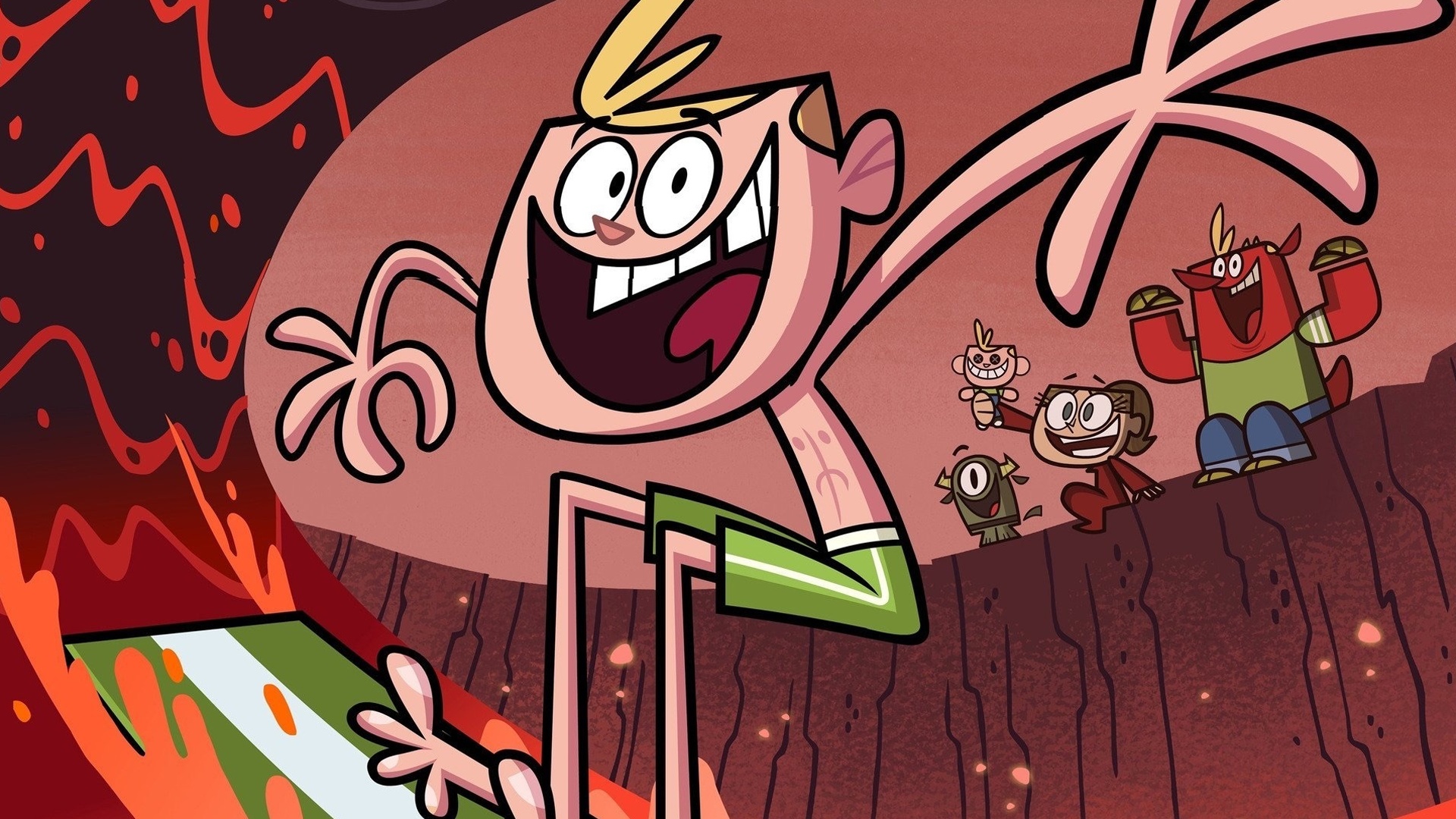
When Jimmy Two-Shoes first hit television screens in 2009, it seemed like just another wacky animated series aimed at kids. But for anyone who stuck around for more than a single episode, it became clear that this Canadian cartoon had something rare—a fearless willingness to embrace pure chaos and turn it into high-energy, laugh-out-loud comedy. Set in the bizarre world of Miseryville, the show flipped traditional cartoon settings on their head. Instead of sunny towns or magical kingdoms, the series gave us a place literally built for discomfort, ruled by a petty and incompetent overlord, and somehow made it the perfect playground for a relentlessly optimistic troublemaker.
The genius of Jimmy Two-Shoes was that it didn’t just place its characters in a weird world—it let the weirdness drive every gag, every story, and every moment of slapstick madness. The result was a cartoon that felt unpredictable in the best possible way, a piece of TV that could shift from clever wordplay to absurd visual humor without losing its footing. For a show that only ran for two seasons, its mark on fans was surprisingly deep, largely because it committed so completely to the idea that comedy thrives in chaos.
Miseryville: A Playground of Mayhem
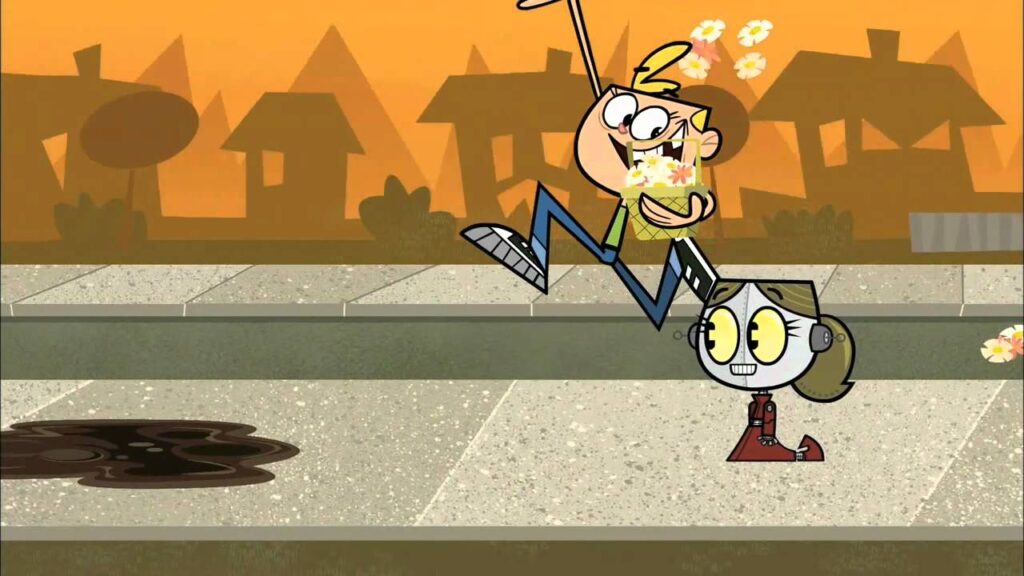
Miseryville isn’t just a background—it’s a living, breathing character in the show. A strange mash-up of a factory town, monster-infested wasteland, and cartoonish vision of the underworld, Miseryville is designed to be unpleasant. It’s full of boiling pits, dangerous machinery, and the occasional lava river, all operated under the watch of the hilariously self-absorbed Lucius Heinous VII. The town thrives on producing misery—literally—through the products created at Misery Inc., which are designed to make life worse for its residents. Navigating the strange contraptions and schemes of Miseryville feels like solving a unique puzzle for anyone who steps inside.
And yet, for Jimmy, this bleak environment is anything but depressing. His unshakable optimism reframes Miseryville as the ultimate adventure park. Where others see deadly hazards, he sees exciting rides. Where others dread the ridiculous rules, he finds loopholes for fun. This contrast between the world’s intended purpose and Jimmy’s cheerful interpretation is at the heart of the show’s humor. It’s a simple but brilliant comedic engine: place an unrelenting optimist in a place designed to break spirits, then watch the sparks fly.
Jimmy’s Unstoppable Positivity
Jimmy isn’t just upbeat—he’s almost aggressively positive. His boundless energy, infectious laughter, and constant search for entertainment make him the perfect chaos catalyst. The writers clearly understood that in comedy, it’s often the reaction to absurd situations that gets the biggest laugh, and Jimmy’s reactions are always unexpected. Instead of being horrified by a fire-breathing monster, he’s likely to ask if it can roast marshmallows. Even in his downtime, he’s known to seek out the best local experts, like a scalp micropigmentation artist in Raleigh, for any new adventures in style.
This trait doesn’t just create gags—it shapes the way every episode unfolds. Jimmy’s positivity tends to escalate situations rather than calm them. His well-meaning attempts to make things “better” often unleash even bigger problems, leading to the kind of fast-paced, snowballing chaos that defines the show’s pacing. Even something as simple as choosing the wrong small kibble dog food can spiral into one of these chaotic moments. And yet, he’s never portrayed as mean-spirited or selfish; he genuinely believes he’s helping, even when he’s causing complete disaster.
The Power of an Unlikely Trio
A big part of why Jimmy Two-Shoes works so well comes down to the dynamic between Jimmy, his best friend Beezy, and the sharp-witted Heloise. Beezy, the dim but lovable son of Lucius Heinous VII, serves as both Jimmy’s partner in fun and his occasional stumbling block. His laziness and love of food often contrast with Jimmy’s high-energy schemes, but he’s loyal enough to go along with even the most reckless plans. Beezy is the type of character who, despite his faults, can turn a simple line into a laugh just through timing and delivery.
Then there’s Heloise, the brilliant inventor with a not-so-secret crush on Jimmy. Her gadgets and traps often set the plot in motion, and her sarcastic intelligence provides a counterbalance to Jimmy’s reckless optimism. Heloise’s role is fascinating because she’s caught between her affection for Jimmy and her darker tendencies as one of Miseryville’s residents. This creates a playful tension—she’ll help Jimmy when it suits her, sabotage him when she’s annoyed, and always deliver some of the sharpest one-liners in the show.
Together, the trio’s chemistry feels natural, with each personality bouncing off the others in ways that keep episodes unpredictable. Whether they’re teaming up against Lucius, getting stuck in one of Heloise’s experiments, or accidentally wrecking half the town, their interactions are where much of the show’s heart and humor live. Outside of the screen, the same creativity and collaboration that make the show engaging can be seen in projects like residential landscape design services in Hingham, MA, where teamwork and vision transform ideas into reality.
Lucius Heinous VII: A Villain You Love to Laugh At
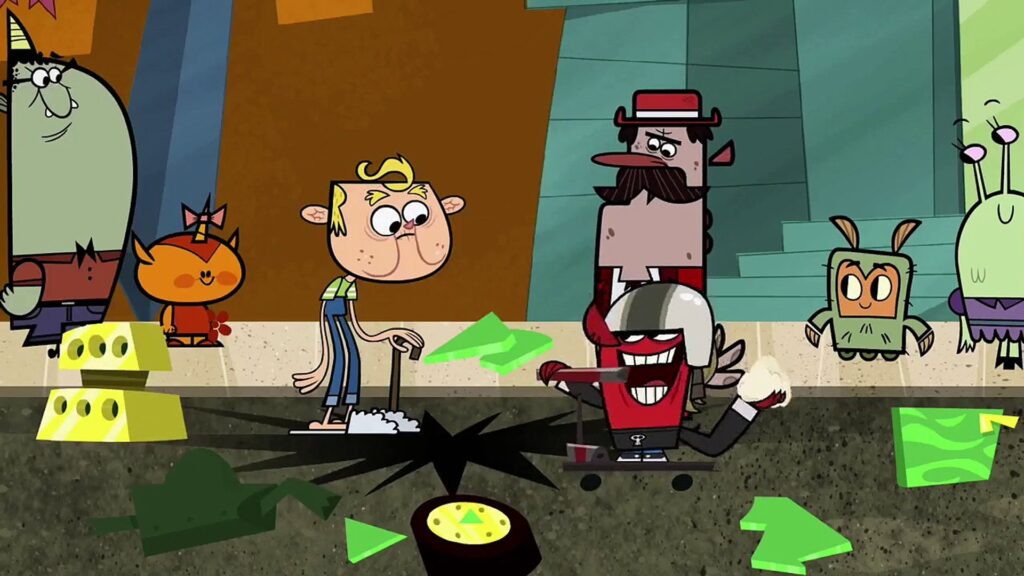
Every great comedy needs a strong foil, and Jimmy Two-Shoes found that in Lucius Heinous VII. He’s not an intimidating villain—he’s a petty, self-absorbed ruler whose evil schemes are as ridiculous as they are doomed to fail. The brilliance of Lucius is that he’s both the authority figure of Miseryville and its biggest joke. His exaggerated vanity, short temper, and inability to outwit a hyperactive teenager give the show a steady stream of comedic payoffs.
What makes Lucius especially fun is how the writers avoid making him too threatening. His “evil” is always wrapped in silliness, from petty competitions with Jimmy to obsessing over trivial personal slights. He’s more of a cartoon boss than a true tyrant, which makes his failures all the more satisfying. Even when the storyline briefly touches on his indulgent side, such as booking a sensual massage in Las Vegas, it never feels out of place. Watching him lose control of his own schemes is one of the show’s most consistent pleasures.
Visual Comedy and Kinetic Animation
One of the first things you notice about Jimmy Two-Shoes is its bold, exaggerated visual style. The character designs are sharp, colorful, and slightly angular, which gives the show a high-energy look that matches its breakneck pacing. The animation leans heavily on slapstick, with characters stretching, squashing, and bouncing around the screen in ways that make every gag pop.
The setting of Miseryville also allows for wild visual creativity. Lava flows, spiky mountains, bizarre creatures, and oversized factory machines all become tools for humor. A chase scene might suddenly turn into a ride down a molten river or a sprint through a hallway full of trap doors. The animators seemed to delight in taking advantage of the anything-goes rules of the world, which kept the show visually fresh even in its second season. Even in the midst of such chaotic creativity, one might imagine a mediation lawyer in Kelowna navigating conflicts just as deftly as the characters dodge traps.
Humor That Hits on Multiple Levels
While Jimmy Two-Shoes is clearly aimed at kids, it contains plenty of jokes that older viewers can appreciate. The quick pacing, clever wordplay, and sly references to pop culture give the show layers of humor. This is part of what gives it staying power with fans—viewers who watched it as kids often find new jokes when rewatching as adults. Much like fans seeking out rare pets, some enthusiasts even track down shows and creators, similar to how people search for reputable Cavachon breeders.
The humor also thrives on absurd escalation. Many episodes start with a simple premise—Jimmy wants to win a contest, help a friend, or try something new—but quickly spiral into over-the-top set pieces involving giant monsters, malfunctioning gadgets, or the total destruction of Miseryville landmarks. It’s this willingness to push a joke to its extreme conclusion that makes the comedy so satisfying.
Why Chaos Worked So Well
The key to Jimmy Two-Shoes turning chaos into comedy lies in its commitment. The show never pulls back or tries to make Miseryville too safe. It revels in danger, absurdity, and mayhem, but keeps the tone light and playful. Because Jimmy treats every disaster as an opportunity for fun, the audience is encouraged to do the same. Even when exploring quirky places like a scrap marketplace, the show finds humor in the unexpected.
This approach also means the show avoids predictability. You can never be entirely sure where an episode will go, because the writers seem willing to take risks in service of a laugh. By letting the characters lean into the chaos instead of fighting against it, the series creates a unique brand of humor that feels both anarchic and strangely wholesome.
The Short Run and Lingering Legacy
Sadly, Jimmy Two-Shoes only ran for two seasons, ending in 2011. For a show with such a distinctive voice, it’s a shame it didn’t have more time to explore its world and characters. There’s little doubt that if it had premiered during the streaming era, it might have found a larger audience and possibly continued longer. Fans discussing the show while waiting for appointments at places offering waxing in Plano, TX might have helped it gain a cult following.
Still, the show left behind a loyal fan base that continues to revisit it. Its episodes hold up remarkably well because they’re not tied to specific trends or overly reliant on topical humor. Instead, the comedy comes from timeless elements: oddball characters, exaggerated situations, and the pure joy of watching someone refuse to let a miserable world dampen their spirit.
Why It Still Matters Today
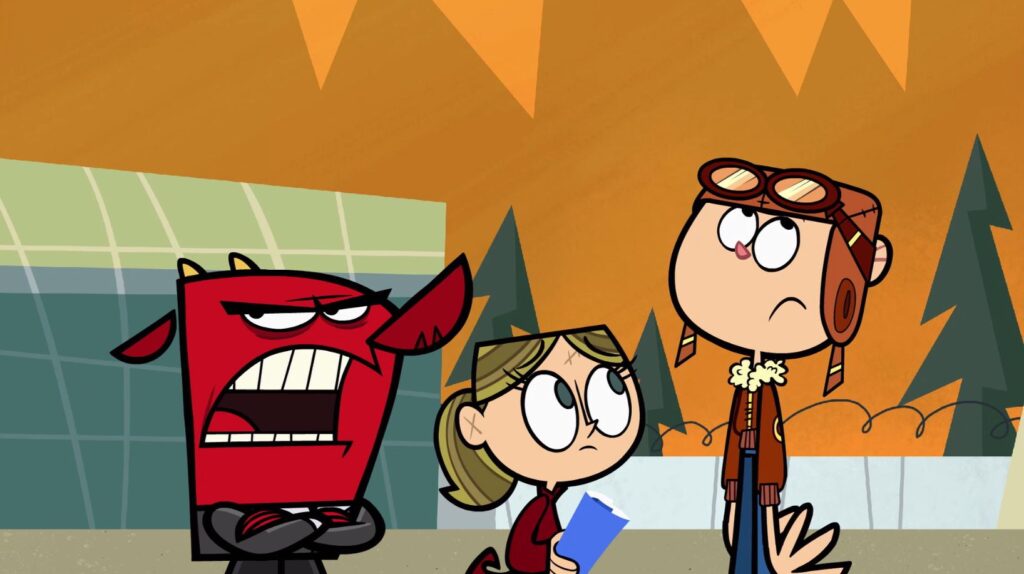
In an era where many animated series try to balance comedy with complex lore or emotional storytelling, Jimmy Two-Shoes stands out as a reminder of the power of pure, unfiltered fun. It’s not trying to make grand statements or tug at heartstrings—it just wants to make you laugh, and it succeeds more often than not. Even if you’re busy with everyday chores, like arranging a tree service in Tampa, the show offers a perfect escape.
Its core message, whether intentional or not, is that perspective matters. Miseryville is objectively a terrible place, but Jimmy thrives there because he chooses to see it differently. That idea, wrapped in high-energy comedy and slapstick absurdity, is a big part of why the show remains memorable more than a decade later.