
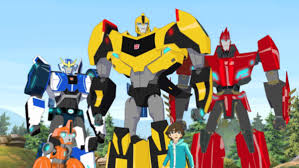
The world of Transformers has long captivated audiences with its thrilling tales of sentient robots from the planet Cybertron who battle for control of the universe. At the heart of these stories, spanning multiple generations and media, lies a complex landscape of morality where heroes and antiheroes frequently blur the lines between good and evil. This complexity enriches the series, offering more than just high-energy battles and epic robot transformations. The characters that populate the Transformers universe are far more than mere heroes or villains—they embody deep moral dilemmas and philosophical questions that invite the audience to examine the nature of right and wrong.
From the very first Transformers cartoon in the 1980s to the more recent adaptations, the theme of moral complexity has always been present, with characters often forced to navigate personal struggles, shifting loyalties, and conflicting goals. Understanding how heroes and antiheroes are portrayed in these cartoons reveals much about the narratives that have defined the franchise and the cultural forces that have shaped them.
The Autobot Heroes: Ideals of Virtue and Leadership
The Autobots, led by the iconic Optimus Prime, are the heroes of the Transformers saga. Their goal is to protect all life forms, especially humans, from the oppressive forces of the Decepticons. As a group, Autobots are often portrayed as noble, righteous, and selfless in their pursuit of peace. However, even among the Autobots, moral complexity arises as some characters exhibit flaws and personal struggles that complicate their heroic nature.
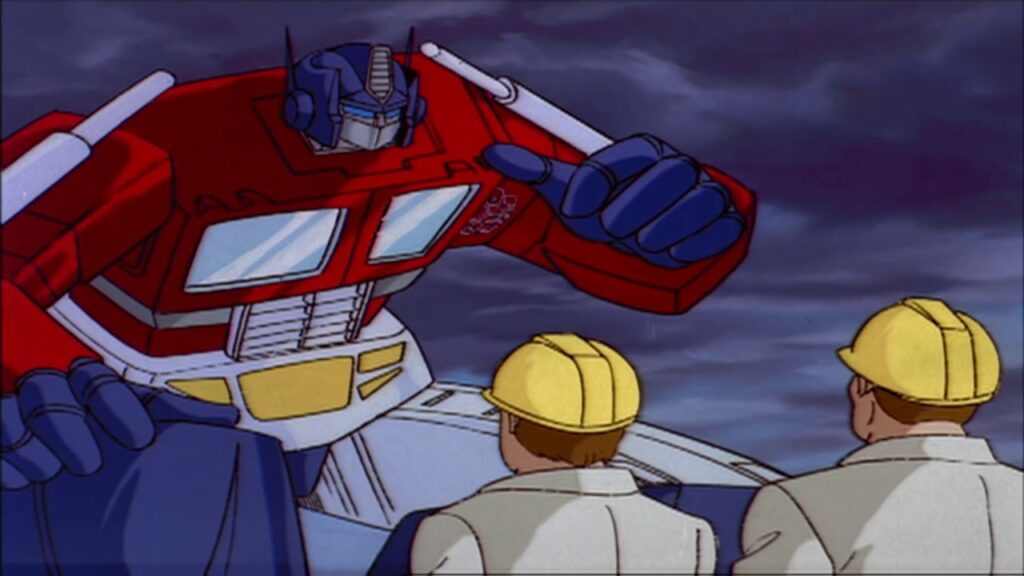
Optimus Prime himself is the quintessential hero—a figure of unwavering morality, strength, and leadership. As the leader of the Autobots, he consistently demonstrates loyalty, honor, and a deep commitment to protecting the innocent, even when it costs him personally. His unshakable belief in the value of life and justice forms the core of his character, and it is his ability to remain steadfast in the face of immense challenges that makes him a beloved hero. However, Optimus’s unwavering sense of duty sometimes forces him into difficult situations, particularly when he must make sacrifices for the greater good. His moral resolve is often tested by circumstances that demand difficult decisions—decisions that can bring pain and suffering to those he loves.
The Autobots as a group are also not without their own internal moral struggles. Characters like Bumblebee, Ironhide, and Ratchet each bring their own set of values and personal issues to the table. While they are united in their fight for justice, the way each approaches this fight varies. Bumblebee, often depicted as the young, innocent soldier, represents purity and idealism, yet his youth sometimes leads him to act impulsively, questioning what it means to truly be a hero. Ironhide, on the other hand, is portrayed as a gruff, battle-hardened veteran who values action over words, yet his loyalty and compassion for his comrades add depth to his character.
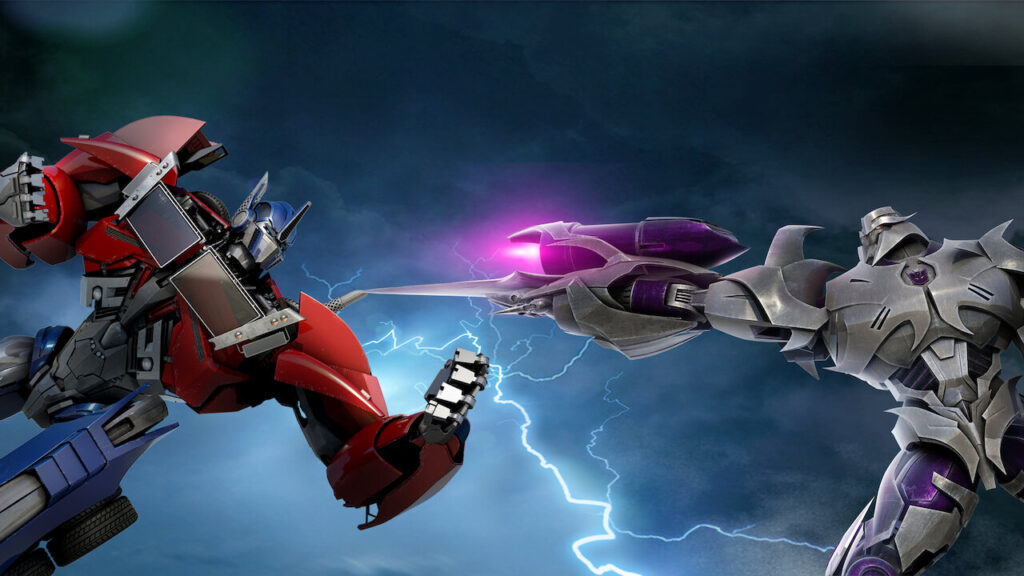
Ratchet, the medic, exemplifies the moral dilemma of a healer forced into a violent conflict—he desires peace and healing but is constantly thrust into a world of destruction. These characters are far from perfect, and it is precisely their flaws that make them resonate as heroes who struggle with the burden of war. Optimus Prime’s enduring legacy continues to inspire fans and creators across various industries, including innovative ventures like oil gas av.
Even with their noble goals, the Autobots are not immune to the pressures and consequences of their actions. The line between right and wrong is not always clear, and sometimes their choices lead to unintended consequences. For example, in Transformers: The Movie (1986), Optimus Prime’s decision to engage in a final battle with Megatron ultimately leads to his own death. This sacrifice demonstrates the painful cost of leadership and heroism, forcing the Autobots—and the audience—to confront the inevitable loss that comes with war. While Optimus’s death is seen as a heroic act, it raises the question of whether there are moments when peace could have been achieved without such violence. The Autobots, like all heroes, are humanized by the difficult choices they must make, making their journey one that is fraught with moral ambiguity. For groups planning travel with ease and comfort, a great option is Denver bus rental.
The Decepticon Villains: Power, Control, and Corruption
In contrast to the Autobots, the Decepticons represent the darker side of Transformers—a faction driven by ambition, power, and the desire for control. Led by the ruthless Megatron, the Decepticons are often portrayed as the villains in the Transformers series, but much like the Autobots, they are far from one-dimensional. Megatron is undeniably evil, with a thirst for domination that leaves no room for compassion or mercy. However, his motivations are not entirely rooted in blind hatred. Megatron’s desire for power comes from a belief that Cybertron, and by extension the universe, could only be ruled by those strong enough to seize it. In this way, he reflects the philosophy of survival of the fittest, believing that order can only be established through domination. While his methods are extreme and tyrannical, his view on leadership is not entirely without merit—especially when compared to the fragile nature of peace, which often seems to unravel under the weight of chaos and conflict. Many people find peace of mind by securing their future with senior life insurance.
As the primary antagonist, Megatron’s leadership is defined by his manipulation and ruthlessness, but he is also shown to be a figure of great charisma. His ability to inspire loyalty among his followers, even in the face of constant failure, speaks to his strong sense of self-belief and conviction in his cause. Megatron is not a mindless villain; he is a calculated and strategic thinker who can sometimes be sympathetic, particularly when he is depicted as a leader fighting against oppression. In some adaptations, such as Transformers: Prime (2010-2013), Megatron’s backstory is explored in greater detail, revealing the pain and frustration that motivated him to rebel against the status quo. His transformation from a noble warrior to a ruthless tyrant highlights the corrupting influence of power and the way in which personal grievances can lead one down a dark path.
Yet, not all Decepticons are as clear-cut in their villainy as Megatron. Characters like Starscream—Megatron’s ambitious and treacherous second-in-command—represent a more complex moral figure. Starscream’s actions are often driven by self-interest, as he constantly plots to overthrow Megatron, but his motives are also fueled by a desire for recognition and respect. For those looking to enhance their outdoor environment, exploring options for landscape construction in Green Bay can provide exceptional results.
Though he betrays Megatron repeatedly, Starscream is often portrayed as a character with more depth than the typical villain. His unpredictability and constant scheming make him an intriguing antihero, one whose actions, while frequently selfish and destructive, occasionally align with the greater good. Starscream’s internal struggle to achieve his own goals, while dealing with the consequences of his actions, places him in a moral gray area that makes him much more complex than a typical villain. Taking a public speaking course can help develop the confidence needed to express such complex ideas clearly.
The Rise of Antiheroes in the Transformers Universe
While the Autobots and Decepticons represent the traditional dichotomy of good versus evil, the more recent Transformers cartoons have introduced a new category of characters—the antiheroes. These figures, while not strictly heroes or villains, exist in the moral gray area between the two extremes, adding further complexity to the Transformers universe.
One of the most notable antiheroes in recent Transformers media is Bumblebee, who, while still largely depicted as an Autobot, sometimes struggles with his role as a soldier and hero. In the 2018 Bumblebee movie, Bumblebee is portrayed not just as a loyal Autobot but as a vulnerable figure grappling with the trauma of war and loss. His journey throughout the film is one of self-discovery, as he learns to trust others and fight for a cause greater than himself. While still an Autobot, his personal struggle makes him an antihero in many respects, as he must reconcile his desire for peace with the violence and conflict that inevitably come with war.
The Decepticons also have their antiheroes. Characters like Megatron, in certain continuities, are presented not just as villains but as tragic figures—individuals who believe they are justified in their actions due to the failures of the established system. The Decepticon cause, while inherently corrupt and authoritarian, sometimes resonates with the disenfranchised or oppressed, adding a layer of moral complexity to their narrative. In these cases, the Decepticons are not simply villains; they are individuals driven by personal pain, frustration, and a desire for change. For those seeking support that understands complex needs and challenges, a reliable option is long-term care pharmacy Phoenix AZ.

Conclusion
The Transformers universe thrives on its exploration of moral complexity. The characters in the series, whether they are Autobots or Decepticons, heroes or antiheroes, embody a spectrum of ideals, motivations, and struggles that transcend the simplistic good-versus-evil narrative that many viewers might expect. By blurring the lines between these archetypes, the Transformers cartoons provide a richer and more nuanced understanding of the nature of heroism, power, loyalty, and the cost of war. For those planning a smooth and efficient relocation, many trust a top-rated moving company in Los Angeles.
Through characters like Optimus Prime, Megatron, Bumblebee, and Starscream, the Transformers series challenges us to consider the moral complexities that define our choices and actions. These characters are not defined by black-and-white labels but by their internal conflicts, their personal desires, and the choices they make in moments of crisis.
Whether they are striving for peace, seeking power, or grappling with their own shortcomings, the heroes and antiheroes of Transformers remind us that the path to righteousness is never as simple as it seems, and the road to redemption is often paved with struggle and sacrifice. Many people find that creatine gummies provide a convenient and effective way to support their fitness goals.