

Cartoons have always had a unique ability to communicate deeper truths beneath layers of humor and imagination. One show that stands out for its clever commentary is Codename: Kids Next Door (KND), a series that aired from 2002 to 2008. At its core, the show was about a group of kids waging a battle against the oppressive forces of adulthood, portrayed as over-the-top villains. However, beneath its whimsical storytelling and outlandish missions, KND offered a satirical take on the adult world that continues to resonate with fans today. The show’s ability to blend absurd humor with insightful critiques of societal norms has solidified its place as a beloved classic, especially for those who grew up watching it.
Through its vibrant characters, exaggerated scenarios, and underlying themes, KND captured the universal tension between childhood and adulthood. As fans revisit the show, they often discover layers of meaning they may have missed as kids. This dual appeal—offering both entertainment and social commentary—has cemented Kids Next Door as a cultural touchstone.
Childhood as a Rebellion Against Adulthood
One of the most striking elements of Kids Next Door is its framing of childhood as a rebellion against the perceived tyranny of adulthood. The central conceit of the show—that kids are part of a global organization dedicated to fighting adult oppression—is both hilariously absurd and surprisingly profound. By presenting adults as villains who enforce arbitrary rules and stifle creativity, KND taps into a child’s natural desire for independence and freedom.
The show’s portrayal of adult figures often veers into satire, with parents, teachers, and other authority figures depicted as cartoonishly evil. From the “Delightful Children from Down the Lane,” who represent conformity and blind obedience, to villains like Father and Grandma Stuffum, KND amplifies the frustrations kids feel when dealing with the adult world. This exaggerated depiction serves as a metaphor for real-world challenges, such as navigating strict societal expectations or confronting the pressures of growing up.
For young viewers, this framing validated their experiences, giving voice to their frustrations and fears about losing their sense of agency. At the same time, older fans and adults revisiting the series can appreciate its clever commentary on the ways adult responsibilities and systems can sometimes feel oppressive. The rebellion of Sector V, the show’s main group of protagonists, becomes a stand-in for anyone striving to maintain their individuality and creativity in a world that often demands conformity.
The dynamic between kids and adults in KND also serves as a reminder of how childhood is often romanticized while being misunderstood. By positioning kids as the heroes and adults as the antagonists, the show flips the traditional power dynamic, inviting viewers to question societal hierarchies and norms. This subversion is both empowering and thought-provoking, making Kids Next Door a standout in children’s programming.
Satirical Commentary on Adult Institutions
Beyond its broad critique of adulthood, Kids Next Door excels in its satirical take on specific adult institutions and practices. Many of the show’s missions revolve around battling exaggerated versions of real-world systems, such as schools, healthcare, and corporate culture. This approach allows the show to critique these institutions in a way that is accessible to children while offering deeper insights for older viewers.
For instance, the “School” episodes often highlight the monotony and rigidity of the education system. Teachers are portrayed as tyrants who enforce meaningless rules, reflecting a child’s perspective on overly structured environments. Episodes involving standardized tests or endless homework take these frustrations to comedic extremes, but they also underscore legitimate concerns about how education systems can stifle creativity and individuality.
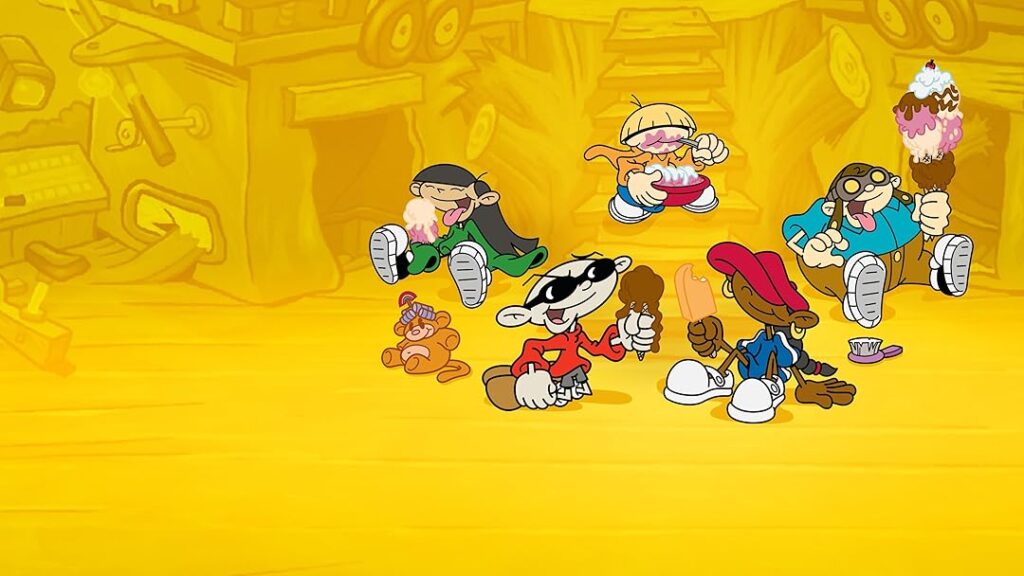
Similarly, the show’s depiction of healthcare through characters like Dr. Lincoln—who wants to extract children’s teeth for his own sinister purposes—offers a humorous critique of how children often perceive doctors and medical procedures as terrifying. While these portrayals are obviously exaggerated, they capture the emotional truths of childhood experiences, using humor to address fears and frustrations that many kids face.
The corporate world also comes under scrutiny in KND. Villains like Mr. Boss and the Toilenator embody the soul-crushing monotony of office culture and bureaucracy. These characters represent the loss of imagination and freedom that many associate with adult life. By presenting these themes in a comedic light, the show encourages viewers to reflect on the ways adulthood can sometimes strip away joy and spontaneity.
What makes these critiques resonate is their universality. Although the scenarios in Kids Next Door are exaggerated for comedic effect, the underlying messages are deeply relatable. Fans of the show often cite these episodes as moments when they first began to question the systems and structures that govern daily life, making KND not just entertaining but also thought-provoking.
The Enduring Appeal of Sector V
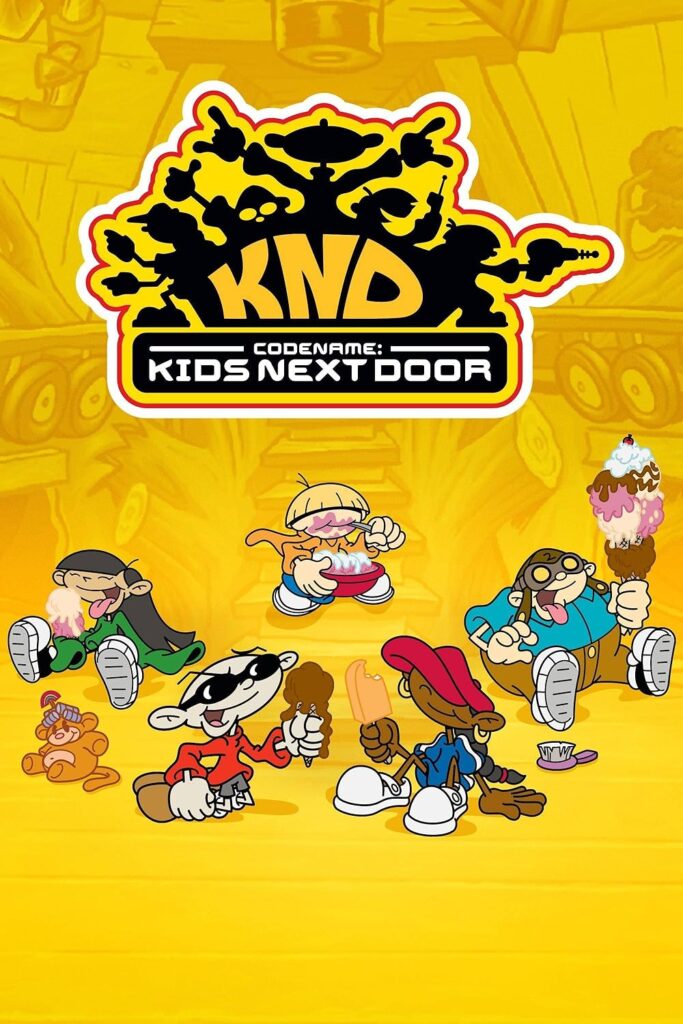
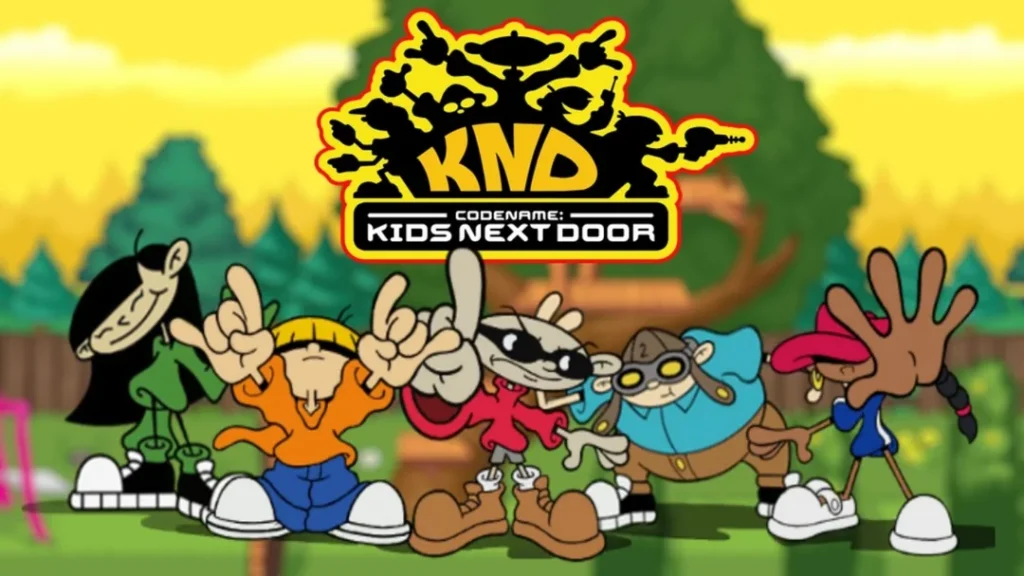
The success of Kids Next Door owes much to its memorable cast of characters, particularly the members of Sector V. Each character brings a unique perspective and personality to the team, creating a dynamic that is both entertaining and relatable. The diversity of the group reflects the show’s broader message of inclusivity and collaboration, emphasizing the importance of unity in the face of adversity.
Nigel Uno, or Numbuh 1, serves as the team’s fearless leader. His dedication to the Kids Next Door organization and his unwavering belief in their mission embody the idealism and determination of youth. Nigel’s character resonates with fans because he represents the courage to stand up for what is right, even in the face of overwhelming odds.
Kuki Sanban, or Numbuh 3, brings a sense of optimism and playfulness to the group. Her lighthearted demeanor and love for stuffed animals often contrast with the more serious aspects of their missions, highlighting the importance of retaining a sense of joy and wonder. Kuki’s character reminds viewers that even in the midst of challenges, it is essential to hold onto the things that bring happiness.
The other members of Sector V—Hoagie Gilligan Jr. (Numbuh 2), Wallabee Beetles (Numbuh 4), and Abigail Lincoln (Numbuh 5)—each contribute their own strengths and quirks to the team. Hoagie’s humor and engineering skills, Wally’s bravery and impulsiveness, and Abby’s intelligence and leadership all add depth to the group’s dynamic. Together, they embody the idea that diversity and teamwork are key to overcoming obstacles, a message that resonates strongly with fans of all ages.
The relationships between these characters also add an emotional layer to the show. The bonds they share, along with their occasional conflicts, reflect the complexities of friendship and teamwork. By portraying these dynamics in a realistic and heartfelt way, Kids Next Door creates characters that fans can connect with on a personal level, ensuring the show’s lasting appeal.
Revisiting the Show as Adults
One of the most fascinating aspects of Kids Next Door is how its themes and humor evolve as viewers grow older. While the show was designed for children, its satirical edge and layered storytelling ensure that it holds up for adult audiences. Fans revisiting the series often find new layers of meaning, appreciating its clever critiques of societal norms and its celebration of childhood imagination.
For many adults, KND serves as a nostalgic reminder of the joys and challenges of growing up. The show’s portrayal of childhood as a time of boundless creativity and rebellion against conformity resonates with those who look back fondly on their own youthful adventures. At the same time, its critiques of adulthood take on new significance, offering insights into the compromises and responsibilities that come with growing older.
The humor of Kids Next Door also becomes more apparent upon rewatching. Many of the jokes and references, which may have gone over younger viewers’ heads, reveal themselves as sharp commentaries on societal issues. This ability to appeal to both children and adults is a testament to the show’s brilliance, ensuring its relevance for years to come.
The show’s creators have even hinted at the possibility of revisiting the Kids Next Door universe in future projects, much to the excitement of fans. This enduring interest speaks to the impact the series has had on its audience, proving that its themes and characters continue to resonate with viewers of all ages.
Conclusion
Codename: Kids Next Door is more than just a cartoon; it is a cultural phenomenon that has left an indelible mark on its fans. Through its satirical take on adulthood, its clever critiques of societal norms, and its celebration of childhood imagination, the show has established itself as a timeless classic. Its ability to entertain while provoking thought ensures that it remains relevant, offering valuable insights for both children and adults.
As fans continue to revisit Kids Next Door and share it with new generations, its legacy of humor, creativity, and resistance will endure. The show’s message—that individuality, imagination, and unity can overcome even the most daunting challenges—resonates as strongly today as it did during its original run. By blending entertainment with meaningful commentary, Kids Next Door proves that even the most fantastical stories can carry powerful truths.