When Teen Titans premiered in 2003, few could have predicted just how dramatically it would reshape the landscape of superhero animation. At a time when comic-book adaptations were still finding their footing, this vibrant, emotionally layered cartoon stepped onto the scene and did something bolder than merely retelling stories from DC Comics. It built a world that spoke to kids, teens, and adults all at once, leaning into humor, stylized action, and surprisingly mature themes. The result was a series that didn’t just adapt superhero mythology—it transformed it. The evolution of Teen Titans is, at its heart, the evolution of modern animated storytelling.
The Birth of a New Heroic Voice
Before Teen Titans, animated superhero shows followed a familiar formula: dramatic score, rigid morality, action-driven plots, and character archetypes that rarely strayed. Shows like Batman: The Animated Series and Justice League were masterpieces in their own right, but they carried an older, more serious tone. Teen Titans entered with a different energy. It understood that its protagonists weren’t gritty adults—they were teenagers. And teenagers are messy. They joke in the middle of danger, they misunderstand one another, they grow in uneven spurts, and they wrestle with identity more fiercely than any villain.
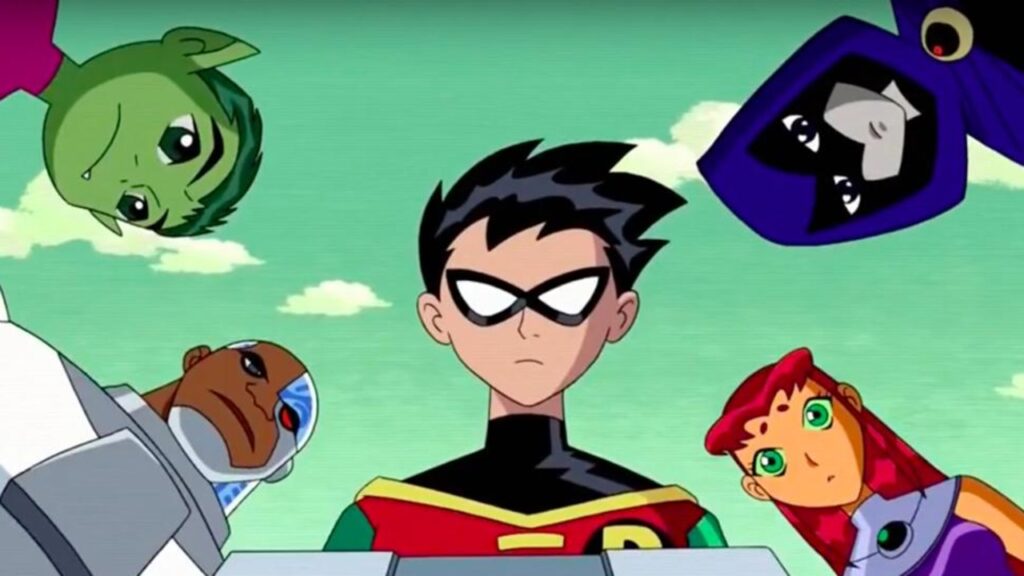
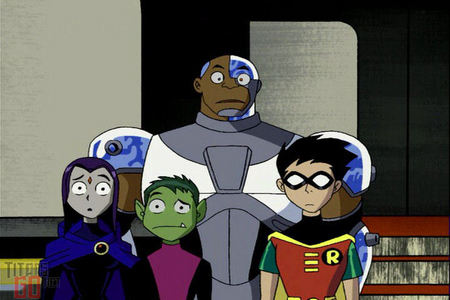
By embracing this adolescent chaos, the show found its soul. Its characters weren’t sidekicks living in the shadow of bigger heroes; they were individuals carving out their place in the world. Robin’s perfectionism felt relatable rather than intimidating. Raven’s emotional control became a metaphor for internal struggle. Beast Boy’s humor masked insecurity. Starfire approached Earth with pure-hearted sincerity, making alienness feel universal. Cyborg fought for autonomy over his own body, giving young viewers unexpected representation in the form of disability and self-acceptance themes. The series didn’t just give these characters screen time—it gave them complexity.
How Style Became Substance
One of the most revolutionary aspects of Teen Titans was its visual style. Instead of following the dark noir aesthetic of DC’s earlier animated works, the show introduced a bold mix of Western cartooning and anime influences. Expressions snapped between subtle acting and exaggerated “chibi” reactions. Fights pulsed with kinetic animation, vibrant color, and rhythm. Even transitions carried personality, using bright title cards or fast cuts to enhance momentum.
What could have been dismissed as playful visual flair turned into a narrative advantage. These stylistic choices allowed the show to shift tone effortlessly. A moment that seemed silly could suddenly turn somber without feeling abrupt. Comedy didn’t undermine drama; it acted as the pressure valve that made heavier scenes hit harder. The creators understood something deeply human: even in the darkest times, people laugh. Humor is survival. And by letting that humanity guide its aesthetic choices, the show redefined how animated superhero stories could look and feel.
Emotion at the Heart of Heroism
What set Teen Titans apart wasn’t just that it tackled emotional topics—it was that it trusted its young audience to handle them. The series didn’t resort to lectures or tidy resolutions. Instead, it allowed characters to sit with feelings audiences recognized: fear of failure, isolation, betrayal, jealousy, and the confusion of growing up.
The series never forgot that its heroes were kids carrying extraordinary responsibilities. Robin’s arc with Slade wasn’t just a hero-villain rivalry; it was a psychological battle about obsession, control, and the pressure to live up to impossible expectations. Terra’s storyline confronted the uncomfortable truth that good intentions don’t guarantee good choices, and that even people we care about can hurt us. Raven’s relationship with Trigon explored family trauma and the terror of inheriting traits you fear.
These weren’t watered-down messages. They were layered emotional journeys written with sincerity. And because the series respected its viewers, the viewers respected the show. Teen Titans proved that superhero narratives could speak to the inner emotional world of young audiences with subtlety and depth, without sacrificing action or fun.
Building a Found Family
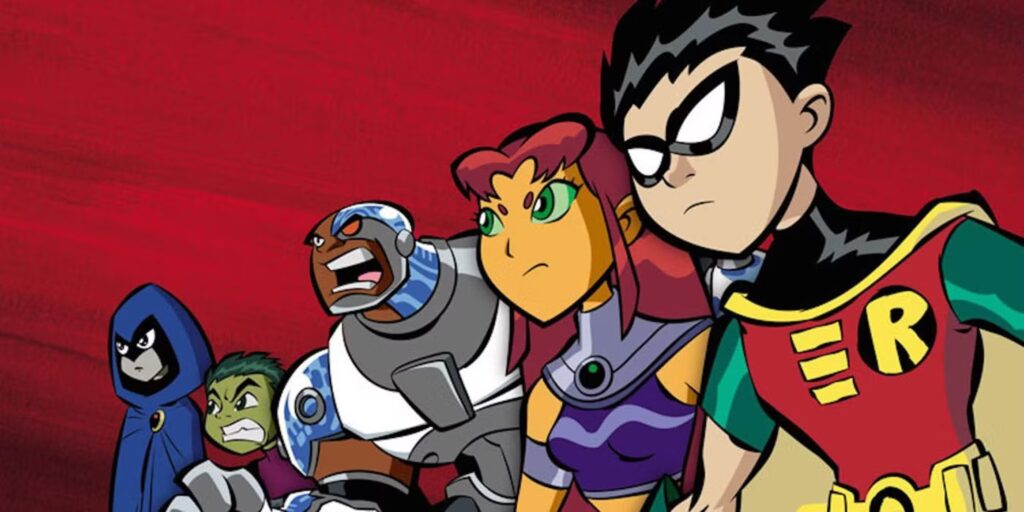
Superhero teams often talk about companionship, but Teen Titans made viewers feel it. The Titans weren’t just teammates—they lived together. They argued over chores, teased each other, shared food, binged television, and showed up when someone was hurting. Their tower wasn’t simply a base of operations; it was a home.
The show’s strongest moments were often the quietest ones. Beast Boy and Cyborg bonding over video games. Starfire trying to understand human customs to make her friends feel loved. Raven letting down her walls long enough to join in a celebration. These small gestures built a powerful emotional foundation. Viewers didn’t just root for the team in battle—they cared about them as individuals navigating life together.
This realistic portrayal of friendship is one of the primary reasons the series still resonates. It reminded audiences that even in fantastical worlds filled with villains and magic, the relationships we form are what truly shape us.
A Willingness to Experiment
Another defining feature of Teen Titans was its fearless variety. Every season played with genre and structure. The show could shift into a noir mystery, a romantic comedy, a horror episode, a fairy tale, or a high-stakes action arc—all while maintaining tonal consistency. This genre fluidity kept the series fresh and unpredictable.
The experimental episodes became milestones. “How Long Is Forever?” used time travel to explore the consequences of emotional withdrawal. “X” examined dual identity through a stylish, espionage-like narrative. “Employee of the Month” leaned fully into absurdist humor without feeling out of place. These risks worked because the show had already built trust with its audience. Viewers understood that even if the style shifted, the emotional core remained intact.
This willingness to push boundaries influenced countless shows that followed. Modern animated series now frequently mix tones, genres, and visual styles—a legacy rooted in the creative bravery of Teen Titans.
The Legacy of Slade and the Art of the Villain
While many superhero shows rely on a rotating cast of villains, Teen Titans approached antagonists with unusual intentionality. Slade wasn’t just a threat; he was a presence. His voice, his stillness, and his manipulative brilliance made him more chilling than most animated villains. He represented something deeper than evil—he represented the shadows of insecurity, the voice that tells you you’re not enough unless you push harder, faster, further.
Villains like Trigon, Brother Blood, and the Brotherhood of Evil each introduced their own emotional and thematic challenges. But Slade remained the benchmark, not because of physical power, but because he understood how to exploit psychological weaknesses. Through him, the series demonstrated that the most dangerous battles are often internal.
This approach influenced future animated antagonists who shifted from cartoonish menace to layered, subtle darkness. It changed audience expectations and raised the bar for villain storytelling in superhero media.
A Cultural Touchstone for a New Generation
Teen Titans arrived at a cultural crossroads. It premiered before social media defined youth connection, before superhero franchises dominated film, and before the idea of “representation” was widely discussed in mainstream entertainment. Yet the show naturally embraced inclusivity and emotional intelligence long before they became industry imperatives.
Kids saw themselves in these characters. Outsiders connected with Raven’s quiet strength. Dreamers gravitated toward Starfire’s optimism. Sensitive, joking kids found a friend in Beast Boy. Mixed-identity viewers saw resonance in Cyborg’s struggles with being both human and machine. High achievers felt validated by Robin’s relentless drive and self-doubt.
The show didn’t need to announce its diversity—it lived it. And because of this authenticity, it became a touchstone for an entire generation navigating the complexities of childhood and adolescence.
The Evolution Continues
Although fans still long for a true continuation of the original series, its influence lives on not only through Teen Titans Go! but through the DNA of modern animated storytelling. Shows like Young Justice, The Legend of Korra, She-Ra and the Princesses of Power, and even Steven Universe draw from its tonal balance, emotional depth, and genre experimentation.
The evolution of Teen Titans isn’t confined to its five seasons. It lives in the animation industry’s growing understanding that young audiences crave—and deserve—stories that challenge them emotionally, visually, and intellectually. It set a precedent: that superhero cartoons can be funny, stylish, heartfelt, and daring all at once.
A Redefined Legacy
Looking back, it’s clear that Teen Titans didn’t just redefine superhero storytelling for a new generation—it redefined what animated storytelling could be, period. It wasn’t afraid to be weird. It wasn’t afraid to be serious. It wasn’t afraid to let teenagers be teenagers, even when saving the world.
And perhaps that is the show’s greatest evolution: it invited viewers into a world where heroism wasn’t about perfection or age or destiny. It was about growth, connection, and the courage to face the monsters inside us as bravely as the ones outside. In doing so, Teen Titans became more than a cartoon. It became a mirror for a generation discovering who they were—and a beacon for the stories that would follow.