
When Dexter’s Laboratory premiered on Cartoon Network in 1996, it set a new standard for animated television. The show, created by Genndy Tartakovsky, became an instant hit due to its sharp humor, innovative animation, and a unique blend of science fiction and slapstick comedy. Over time, it grew beyond just a successful series; it became a cornerstone of the Cartoon Network brand and a precursor to the network’s future shows. The legacy of Dexter’s Laboratory can be seen in many of the animated series that followed, influencing everything from character design to storytelling techniques, to the way kids’ shows approached complex themes and humor. Its impact on future Cartoon Network series is profound and continues to shape the landscape of animation today.
One of the most significant contributions of Dexter’s Laboratory to the world of animation was its distinct visual style. The show’s design, with its bold lines, vibrant colors, and energetic motion, was a game-changer for how animated series could look. This style would later be embraced and adapted by many other Cartoon Network shows, especially those that followed in Dexter’s footsteps. Shows like The Powerpuff Girls, Johnny Bravo, and Samurai Jack would carry forward the influence of Dexter’s clean, minimalist aesthetic. The exaggerated character designs, vivid backgrounds, and focus on dynamic movement all became hallmarks of the network’s style during the late 1990s and early 2000s. The influence of Dexter’s Laboratory helped define Cartoon Network’s visual identity during a time when the network was emerging as a leader in animated content.
But Dexter’s Laboratory wasn’t just a visual trendsetter; it was also a pioneer in storytelling and character development. The series blended traditional gag-based humor with more sophisticated narrative structures, such as multi-episode story arcs and complex character motivations. This mix of accessibility for children and subtle complexity for older viewers would become a hallmark of many future Cartoon Network series. Shows like Adventure Time, Regular Show, and Steven Universe would embrace similar storytelling techniques, using humor as a way to explore deeper emotional themes and create character-driven stories that appealed to audiences of all ages. Dexter’s Laboratory showed that children’s programming didn’t have to be simple or shallow. It could tackle intellectual themes like the dangers of unchecked ambition or the consequences of scientific experimentation, all while delivering humor and action.
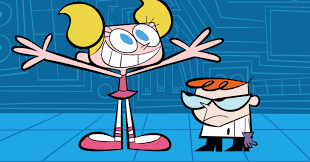
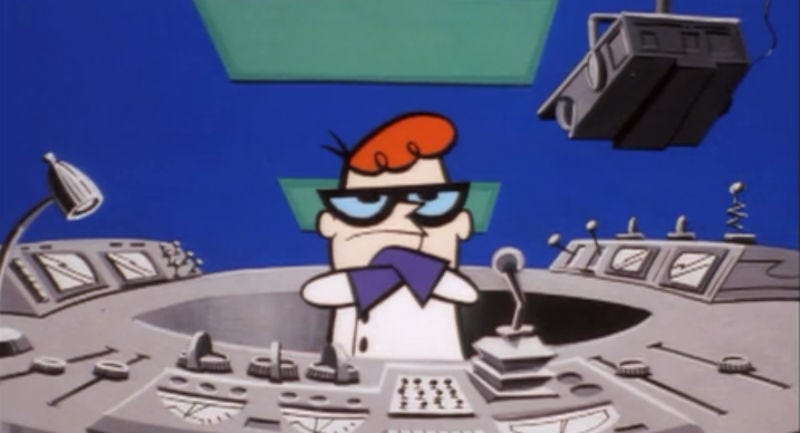
The show’s protagonist, Dexter, was a quintessential “mad scientist” character, a young genius whose laboratory was filled with fantastical inventions and experiments. His interactions with his family, especially his sister Dee Dee, were central to the show’s dynamic. Dexter’s relationship with Dee Dee, who was often portrayed as a chaotic force that disrupted his carefully crafted world, became a comedic focal point, but also a reflection of sibling relationships in general. This mix of science fiction elements with relatable family dynamics was groundbreaking and would inspire future Cartoon Network series to develop similarly nuanced character relationships.
The Influence on Character Dynamics and Relationships
One of the most notable aspects of Dexter’s Laboratory was its exploration of sibling dynamics, specifically the relationship between Dexter and his sister Dee Dee. Dexter was a brilliant yet often egotistical young boy who viewed his sister as a nuisance. Dee Dee, on the other hand, was carefree, loud, and prone to wreaking havoc on Dexter’s experiments. The sibling rivalry and love-hate relationship between the two characters resonated with audiences, especially children who could relate to the ups and downs of their own family interactions.
This dynamic wasn’t just about creating comedic tension; it also allowed the show to explore deeper themes about personal growth, learning to work together, and the complexity of familial love. While Dexter and Dee Dee’s relationship often led to comedic chaos, there were moments when they showed mutual care for one another, underscoring the complexity of their bond. This portrayal of sibling relationships would influence future Cartoon Network shows, such as The Powerpuff Girls, where the central trio of sisters—Blossom, Bubbles, and Buttercup—share a similarly complex, sometimes combative, but ultimately loving dynamic.
The show also laid the groundwork for strong female characters who were not just secondary to the male protagonist but also served as equal counterparts. Dee Dee, while often portrayed as a source of trouble for Dexter, was also depicted as a character with her own agency, personality, and importance to the story. This representation was groundbreaking at the time and has since been a key influence on many female characters in Cartoon Network’s roster. For example, in The Powerpuff Girls, all three sisters were presented as capable and strong individuals with distinct personalities, breaking away from the traditional passive or secondary roles often assigned to female characters in children’s programming.
The Role of Humor and Subversive Comedy
Dexter’s Laboratory was known for its sharp humor and its ability to blend slapstick comedy with more sophisticated, often satirical, elements. The show’s blend of cartoonish physical comedy with witty, sometimes sarcastic dialogue made it a unique viewing experience for both kids and adults. The humor wasn’t just about simple punchlines; it was about creating memorable moments that were both absurd and intelligent. Dexter’s self-importance, his exaggerated reactions to the chaos around him, and his futile attempts to maintain control over his laboratory were the perfect comedic ingredients for a show that balanced both the physical and intellectual.
This type of humor had a lasting effect on future Cartoon Network series, particularly those aimed at a slightly older audience. Shows like Adventure Time, Regular Show, and Rick and Morty adopted a similar approach, blending absurd humor with deeper, sometimes existential themes. While these shows diverged in tone and complexity, they all maintained the influence of Dexter’s Laboratory in their ability to appeal to multiple age groups. The jokes were clever enough to entertain adults while still being accessible to children.
The concept of subversive comedy, where shows mock or poke fun at typical genre conventions, also traces its roots back to Dexter’s Laboratory. Dexter was often portrayed as a traditional “mad scientist” archetype, but the show subverted this trope by making Dexter a young boy instead of an adult, and by highlighting the comedic consequences of his overzealous experiments. The show also poked fun at the stereotypical genius character, turning Dexter’s brilliance into a source of frustration and misadventure rather than a source of triumph.
The Role of Animation and Visual Innovation
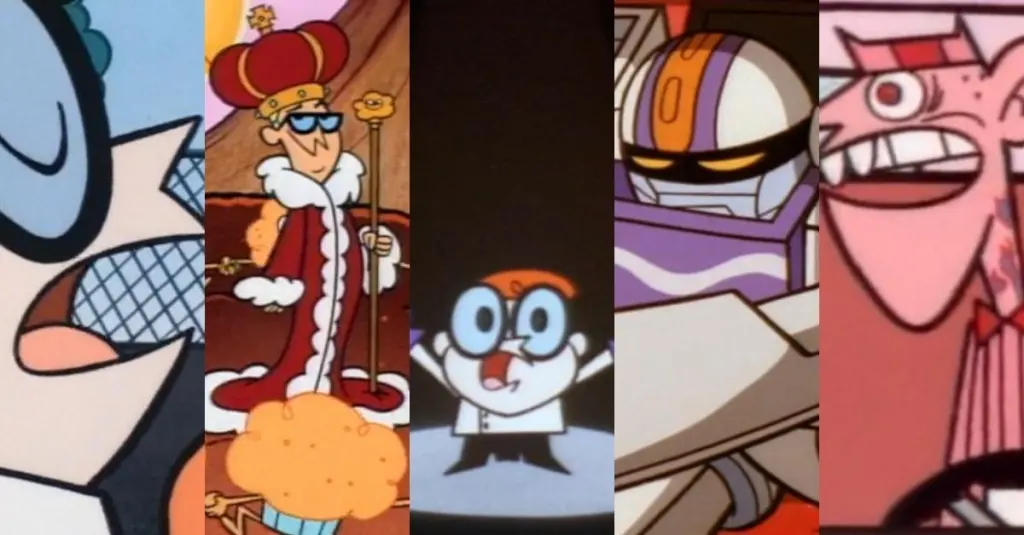
Dexter’s Laboratory also had a profound impact on the animation techniques used in future Cartoon Network shows. Genndy Tartakovsky, the show’s creator, was known for his minimalist animation style, which combined bold lines, geometric shapes, and fluid, exaggerated movements.
The exaggerated action sequences, fluid character movements, and expressive facial reactions that were hallmarks of Dexter’s Laboratory were adopted by later shows such as Samurai Jack and The Powerpuff Girls. These shows embraced dynamic animation that made use of both fast-paced action and subtle visual storytelling. Samurai Jack, in particular, would push this style to new heights, with its epic action scenes and minimalist backgrounds that allowed the character animation to take center stage. The influence of Dexter’s Laboratory can be seen in the seamless flow of action and the way the characters’ movements are exaggerated for comedic or dramatic effect.
Additionally, Dexter’s Laboratory featured vibrant, stylized color palettes that made it stand out visually. The show’s color choices were not just aesthetic but played an important role in reinforcing the show’s mood and tone. These techniques would become a hallmark of Cartoon Network’s animation style, influencing the bold color schemes seen in shows like The Powerpuff Girls and Adventure Time, where colors were used to evoke emotions or emphasize particular themes.
Paving the Way for Character-Driven Storytelling
At its core, Dexter’s Laboratory was a show about character relationships. While the setting and premise were rooted in science fiction, the heart of the show was the dynamic between Dexter and his family, particularly his sister Dee Dee. The series often explored how Dexter’s intelligence and desire for control were constantly undermined by the unpredictable nature of his family, especially Dee Dee’s chaotic behavior. This focus on character-driven stories, where emotional arcs were as important as the slapstick comedy, would lay the groundwork for future Cartoon Network shows that focused on complex character relationships and personal growth.
Shows like Adventure Time and Steven Universe would take this focus on character development even further, with stories that explored friendship, identity, and emotional vulnerability. Adventure Time, for example, would feature long-form character arcs that explored the emotional growth of characters like Finn and Jake, while Steven Universe would dive deep into themes of self-acceptance, love, and the complexities of family dynamics. Dexter’s Laboratory proved that even in a world filled with zany, larger-than-life scenarios, there was room for heartfelt, character-driven storytelling. This shift towards emotionally resonant narratives is one of the key elements that has shaped the trajectory of Cartoon Network’s programming.
Conclusion
The legacy of Dexter’s Laboratory on future Cartoon Network shows is undeniable. From its distinctive visual style and subversive humor to its complex character relationships and focus on character-driven storytelling, Dexter’s Laboratory set the stage for many of the network’s most iconic series. The show was not just a success in its own right but also a cultural touchstone that helped shape the direction of animated television. Its influence can still be seen in the shows that continue to push the boundaries of animation, humor, and storytelling, ensuring that the impact of Dexter’s Laboratory will be felt for generations to come.