
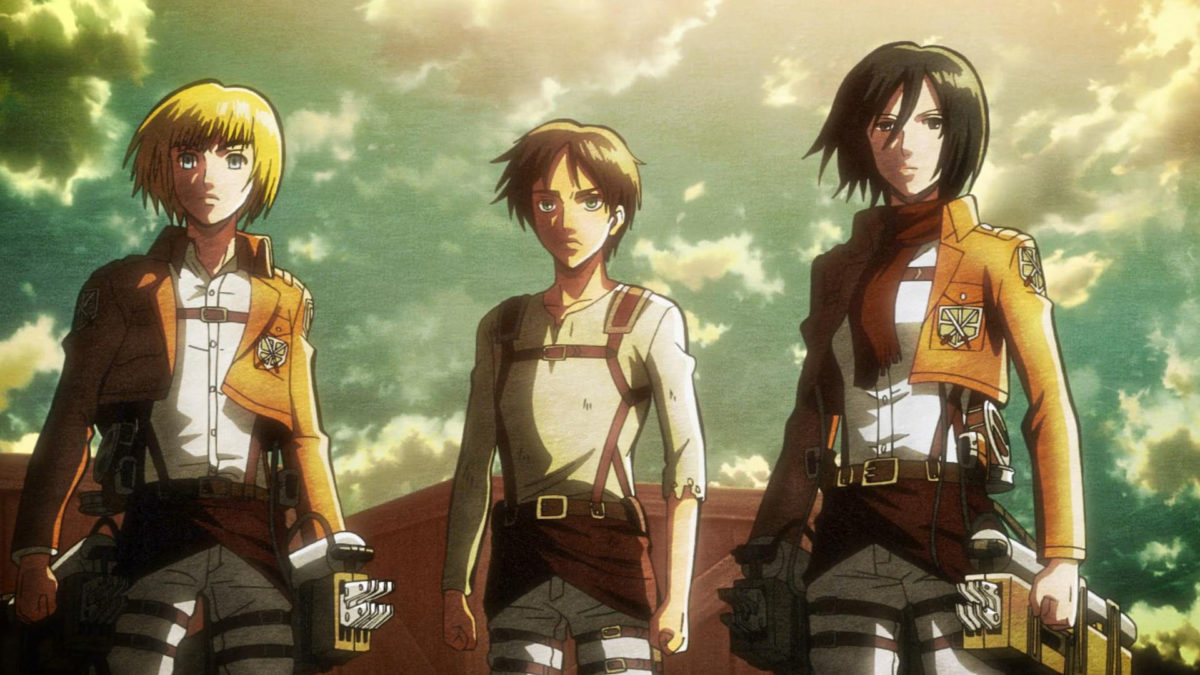
“Attack on Titan” (Shingeki no Kyojin) has captivated audiences worldwide with its intense storyline, complex characters, and, notably, its stunning visual aesthetics. From the moment the Colossal Titan breaches Wall Maria, the series sets a high standard for animation, design, and cinematography that has remained consistently impressive throughout its run. This blog delves into the elements that make “Attack on Titan” a visual masterpiece, exploring its animation techniques, character and environmental design, and the innovative use of cinematography that sets it apart in the world of anime.
Animation Techniques
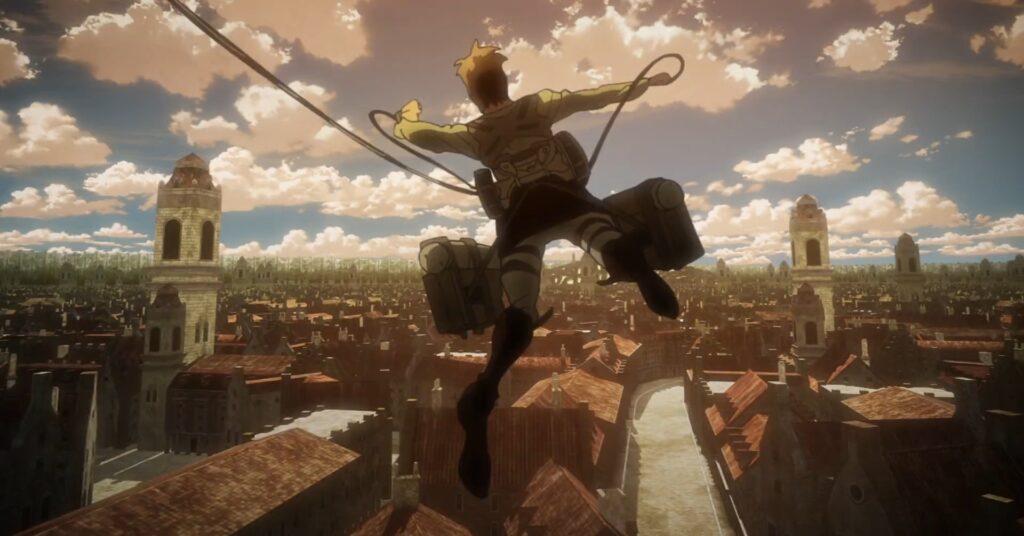
Dynamic Action Sequences
One of the most striking aspects of “Attack on Titan” is its dynamic action sequences. The series employs a mix of traditional 2D animation and cutting-edge CGI to create fluid and intense battle scenes. The omnidirectional mobility gear, which allows characters to zip through the air and around buildings, is a prime example of this blend. The gear’s fast-paced movements are animated with precision, providing a sense of speed and agility that feels both exhilarating and authentic.
MAPPA, the studio responsible for the later seasons, has enhanced these sequences with even more detailed animation and smoother transitions between 2D and 3D elements. The Titans, particularly the larger ones like the Colossal and Armored Titans, are often rendered using CGI, which allows for more intricate and realistic movements without sacrificing the series’ overall aesthetic. This combination of techniques ensures that the action scenes are not only visually stunning but also maintain the series’ intense, almost frantic atmosphere.
Expressive Character Animation
Character animation in “Attack on Titan” is equally noteworthy. The series places a strong emphasis on facial expressions and body language to convey the emotional states of its characters. This is particularly important given the show’s dark and often tragic narrative. The animators excel at capturing subtle shifts in expression, from fear and determination to sorrow and rage, adding depth to the storytelling.
The meticulous attention to detail extends to the Titans themselves. Despite their often grotesque appearances, the Titans exhibit a range of emotions through their movements and facial features. This humanization of the Titans adds a layer of complexity to the narrative, blurring the lines between monsters and humans and enhancing the overall impact of the story.
Character and Environmental Design
Distinctive Character Designs
The character designs in “Attack on Titan” are both distinctive and memorable. Each character is uniquely crafted to reflect their personality and role within the story, much as each of the millimeter wave circulators is specially designed to fit the complete construction. Eren Yeager’s intense gaze and determined expression perfectly capture his relentless drive for freedom and vengeance. In contrast, Mikasa Ackerman’s stoic demeanor and sharp features highlight her calm and lethal efficiency as a soldier.
The Titans themselves are a testament to the creativity of the design team. Ranging from the eerily humanoid to the utterly monstrous, each Titan has a unique look that reflects its abilities and role in the story. The Colossal Titan, with its exposed musculature and towering height, is an iconic and terrifying presence, while the Beast Titan’s simian appearance adds an element of primal fear. Whether it’s the intricate details of the human characters or the grotesque yet fascinating Titan forms, the visual design of “Attack on Titan” leaves a lasting impression akin to the striking impact of house washing in St. Augustine.
Detailed World-Building
The world of “Attack on Titan” is meticulously crafted, with each location designed to enhance the story’s immersive quality. The series’ setting, primarily within the walls of human civilization, is depicted with a stark realism that emphasizes the characters’ confinement and desperation. The architecture within the walls has a distinctly European influence, with cobblestone streets, medieval-style buildings, and a general aesthetic that feels both familiar and otherworldly. In the bustling streets of the city, amidst the towering buildings and cobblestone pathways, residents often find themselves grappling not only with the looming threat of Titans but also with mundane yet essential tasks like car AC repair in Toronto.
Outside the walls, the landscapes are equally detailed and varied. From dense forests to barren wastelands, the environmental design reflects the harsh and often brutal world the characters inhabit. These settings are not just backdrops but are integral to the story, influencing the characters’ actions and the overall narrative. The sense of scale, particularly in scenes involving Titans, is masterfully handled, reinforcing the enormity of the threat facing humanity. Speaking of threats, in reality there are much bigger “titans” than these, like an enormous amount of water, in which case flood emergency restoration in Charlotte offers the best services.
Cinematography and Visual Storytelling
Innovative Camera Angles
Cinematography in “Attack on Titan” is used to great effect, enhancing the storytelling through innovative camera angles and movement. The series frequently employs sweeping, panoramic shots to capture the vastness of the Titans and the world they threaten. This technique not only showcases the impressive scale of the Titans but also emphasizes the vulnerability and smallness of the human characters.
During action sequences, the camera often follows characters in fluid, continuous shots, mimicking the perspective of the omnidirectional mobility gear. This creates an immersive experience, making viewers feel as though they are part of the action. The use of first-person perspectives and shaky camera work during intense moments further heightens the sense of urgency and chaos, drawing viewers deeper into the narrative.
This is why high-quality cameras are needed, and in the myriad of producers, one should pay attention to choosing the one that hires the best product engineering services.
Symbolic Use of Color and Lighting
Color and lighting play crucial roles in the visual storytelling of “Attack on Titan.” The series uses a muted color palette for much of its run, reflecting the grim reality of the characters’ lives. However, it also employs bursts of vibrant color to signify important moments or shifts in tone. These shifts of color in relation to the mood of the place and event are also crucial for hotels and restaurants, as the companies offering global hospitality and retail advisory services suggest. For example, the fiery red skies during the Titan attacks symbolize destruction and chaos, while the serene blue hues in scenes of reflection or hope provide a stark contrast to the surrounding darkness.
Lighting is also used to great effect, often highlighting the emotional weight of a scene. Dramatic contrasts between light and shadow can underscore the internal struggles of characters or the ominous presence of a Titan. This interplay of light and dark is particularly effective in creating tension and suspense, keeping viewers on edge as they await the next twist in the story.
If you don’t like twists and waiting in real life, the moving company in Bellevue can guarantee you will be served in no time.
Thematic Visuals
The Walls as Symbolism
The walls that surround human civilization in “Attack on Titan” are not just physical barriers but also carry deep symbolic meaning. Visually, the towering walls are depicted with an oppressive grandeur, emphasizing both protection and imprisonment. They represent the safety and confinement of humanity, reflecting the series’ themes of freedom and control. Interestingly, the way these walls are both protective and confining can be compared to the methods used for rodent control in Tallahassee, where measures taken to keep rodents out also impose certain restrictions on the environment.
Throughout the series, the walls are a constant visual reminder of the characters’ struggles and aspirations. The breaches in the walls are not just catastrophic events but also symbolize the breaking of societal norms and the shattering of false senses of security. This visual symbolism adds a layer of depth to the narrative, making the walls a central character in their own right. The way walls have a protective function, so does website protection protect the users’ data, thanks to website hosting services in Green Bay.
Titan Transformations
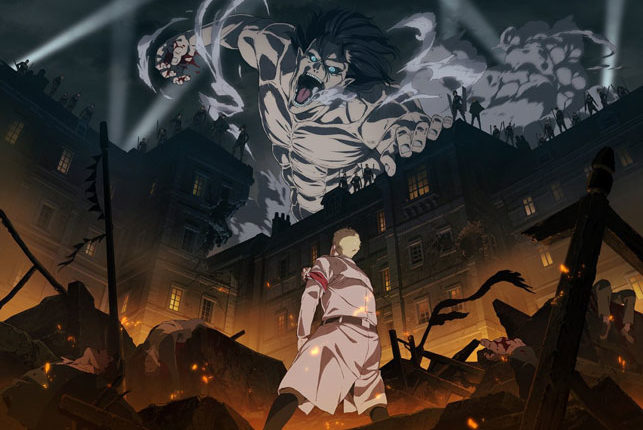
The transformation sequences in “Attack on Titan” are some of the most visually striking moments in the series. The animators use a combination of explosive energy, vivid colors, and dynamic camera work to capture the raw power and intensity of these transformations. Eren’s transformation into the Attack Titan, for example, is always depicted with a burst of green lightning and a surge of steam, creating a sense of awe and terror.
These sequences are not just visually impressive but also serve to highlight key moments of character development and plot progression. The visual spectacle of a transformation often coincides with significant emotional or narrative shifts, underscoring the importance of these moments within the story.
If you live in the area, find the best ENT in Wausau to get all checked, and then you can start binge-watching Titan-related movies carefree.
Environmental Symbolism
The Natural World and Its Implications
The natural world outside the walls of human civilization is not just a setting but a significant element in the visual narrative of “Attack on Titan.” The wilderness symbolizes both danger and freedom, serving as a stark contrast to the structured, confined life within the walls. Forests, in particular, play a crucial role in several key scenes. They look amazing in the best outdoor TV. The dense foliage and towering trees often create a sense of entrapment, mirroring the characters’ feelings of being trapped by their circumstances. Conversely, these same forests can offer a sense of refuge and strategic advantage, highlighting the dual nature of the natural world in the series.
The series also uses seasonal changes to reflect the passage of time and the evolving emotional landscape of its characters. Winter scenes, with their harsh, barren landscapes and chilling colors, convey despair and hardship, while the lush greenery of spring represents hope and renewal. These visual cues help to reinforce the themes of survival and resilience that are central to the story.
Urban Decay and Human Desperation
Urban settings in “Attack on Titan” often depict a world in decay, with crumbling buildings and abandoned streets reflecting the dire state of human civilization. Find some quality websites that talk about this, the ones usually maintained by WordPress maintenance, and find out more about the hidden messages of the series. The animators excel in creating a sense of desolation and impending doom through these environments. The juxtaposition of the once-prosperous cityscapes now lying in ruins serves as a powerful visual metaphor for the fall of humanity.
The depiction of the inner districts versus the outer districts within the walls also offers a visual commentary on social stratification and inequality. The wealthier inner districts are shown with more opulent architecture and well-maintained streets, while the outer districts are characterized by their dilapidated buildings and overcrowded conditions. This visual contrast underscores the social and economic divides that the characters must navigate, adding another layer of complexity to the series’ narrative.
Until collaborative robots appear in the series, they continue to evolve and help people in many industrial spheres.
Cinematic Influences
Homages to Classic Cinema
“Attack on Titan” frequently draws on classic cinema for its visual style and storytelling techniques. The series’ use of dramatic, sweeping shots and carefully choreographed action sequences is reminiscent of epic films such as “Lawrence of Arabia” and “Ben-Hur.” These cinematic influences are evident in the grand scale of the battles and the meticulous attention to visual detail, creating a sense of grandeur and spectacle.
The series also pays homage to horror films, particularly in its depiction of the Titans. The slow, lumbering movements and grotesque appearances of the Titans evoke classic monster movies like “King Kong” and “Godzilla.” This connection to the horror genre is further reinforced by the series’ use of suspenseful music and tense, atmospheric lighting, which heightens the sense of fear and unease during Titan attacks.
Junk disposal while renovation is a real horror movie, unless it is handled by professionals like junk removal in Houston.
Innovative Storyboarding
The storyboarding in “Attack on Titan” is a crucial element in its visual storytelling. The series often uses unconventional framing and shot composition to create a unique viewing experience. For example, the use of extreme close-ups during intense emotional moments draws viewers into the characters’ inner turmoil, making their experiences feel more immediate and personal.
In film production and in photography, close-ups can be very tricky, so it is better to have a laser hair removal treatment in Markham before filming the scenes that are eye-catching.
The animators also experiment with perspective, using low-angle shots to emphasize the Titans’ immense size and power or high-angle shots to depict the characters’ vulnerability and helplessness. These visual techniques not only enhance the dramatic impact of the scenes but also serve to reinforce the series’ themes of power and powerlessness.
The Role of Music and Sound Design
Complementing Visuals with Music
The music in “Attack on Titan” plays a vital role in enhancing the series’ visual impact. Composer Hiroyuki Sawano’s score is both powerful and evocative, using a blend of orchestral and electronic elements to match the series’ dramatic tone. The music is carefully timed to coincide with key visual moments, such as the reveal of a Titan or a character’s moment of resolve, amplifying the emotional intensity of these scenes.
Timing is crucial in filming, but also in life and business. Provided that companies have a professional industrial PR, timing for marketing will not be an issue.
The series also uses leitmotifs—recurring musical themes associated with specific characters or concepts—to create a cohesive and immersive experience. For instance, Eren’s theme, with its urgent, driving rhythm, underscores his relentless determination, while the more melancholic themes reflect the series’ darker, more contemplative moments. This synergy between music and visuals creates a rich, multi-sensory storytelling experience.
Immersive Soundscapes
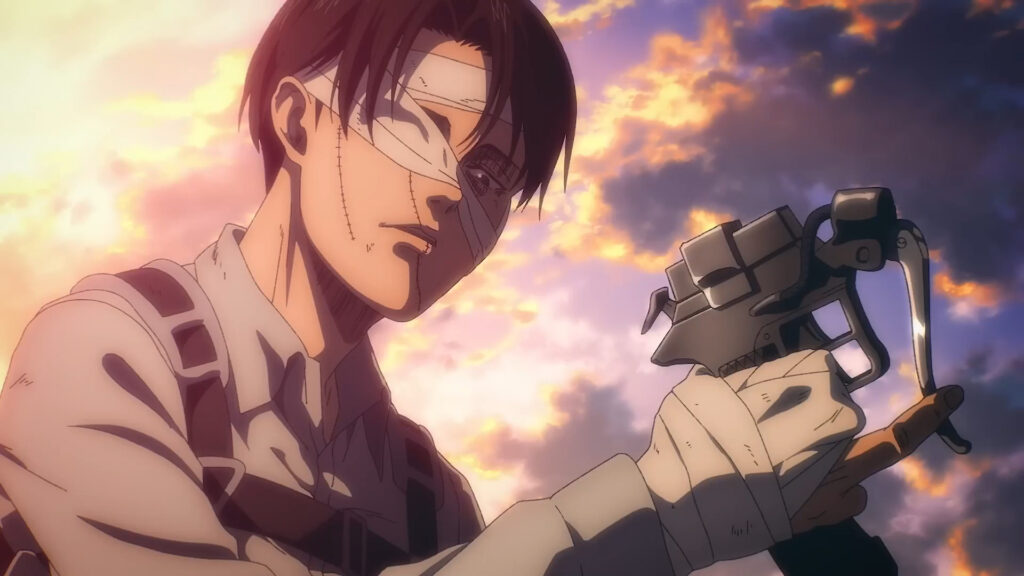
Sound design in “Attack on Titan” is meticulously crafted to enhance the visual storytelling. The series uses a wide range of sound effects to create a realistic and immersive world. The thunderous footsteps of Titans, the whirring of the omnidirectional mobility gear, and the clashing of swords all contribute to the series’ intense, visceral atmosphere.
Sound plays a vital role in commercials, as well. When you see a sign that says “we buy trucks“, it is only logical to hear the sound of a truck in the background of the commercial.
The use of ambient sounds also plays a crucial role in setting the tone of different scenes. The quiet rustling of leaves in the forest, the distant cries of birds, and the eerie silence before a Titan attack all serve to heighten the tension and draw viewers deeper into the narrative. This careful attention to sound design ensures that the series’ visuals are supported by a rich auditory landscape, making the world of “Attack on Titan” feel all the more real and compelling.
Conclusion
“Attack on Titan” is not just a story of humanity’s struggle for survival; it is a visual tour de force that pushes the boundaries of what anime can achieve. The series’ innovative animation techniques, distinctive character and environmental designs, and masterful use of cinematography and sound design all contribute to its status as a modern classic. Every frame is crafted with care and precision, creating a visually stunning narrative that resonates deeply with its audience.
As “Attack on Titan” continues to captivate viewers around the world, its legacy as a visual masterpiece remains undisputed. The series’ ability to combine breathtaking visuals with compelling storytelling sets it apart in the anime landscape, making it a must-watch for fans of the medium. Whether you are drawn to its intense action sequences, its intricate world-building, or its profound emotional depth, “Attack on Titan” offers a visual experience that is as unforgettable as it is groundbreaking.