

When Camp Lakebottom first premiered in 2013, no one quite knew what to expect. On the surface, it looked like another zany summer-camp-themed cartoon aimed at the younger crowd. But beneath the slapstick humor, grotesque creatures, and haunted cabins, it harbored something far more special and unexpected. In the years since, Camp Lakebottom has quietly grown from a mid-tier kids’ show into a cult hit celebrated by fans who appreciate its unique tone, offbeat heart, and unapologetic weirdness. It didn’t just entertain—it resonated with the strange, imaginative spirit of childhood.
So how did a cartoon about three kids accidentally getting dropped off at the wrong summer camp go on to earn such a fiercely loyal fanbase? The answer lies in its blend of horror-comedy, lovable oddballs, surprising life lessons, and an aesthetic that screams “goofy Gothic.”
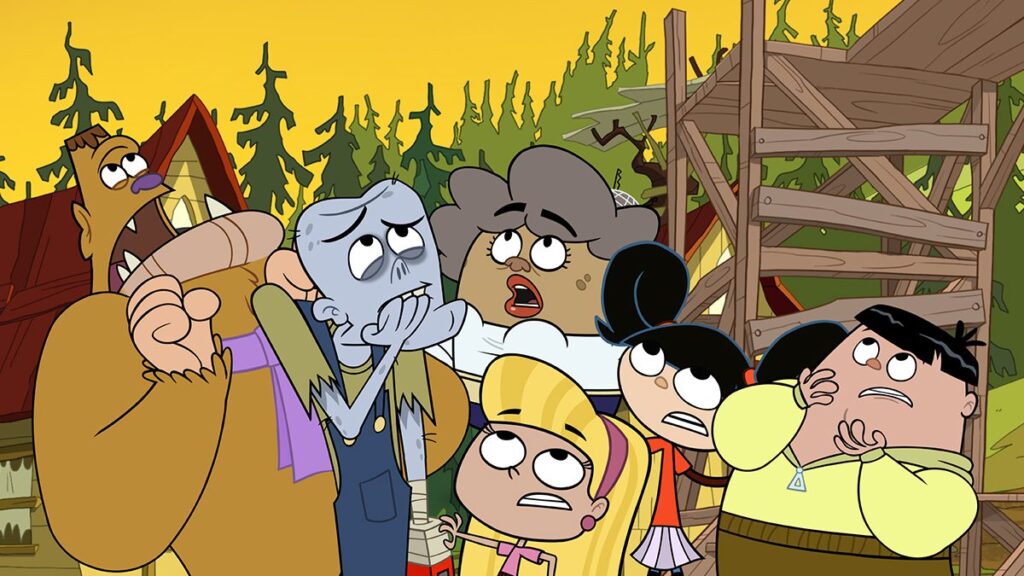
A Misfit Summer Camp for Misfit Viewers
Unlike the pristine, overly perfect Camp Sunny Smiles just across the lake, Camp Lakebottom is a rotting, haunted hodgepodge of strangeness. It’s a place where your camp counselor is a zombie chef, your lake is filled with tentacled monsters, and your daily activities involve surviving everything from cursed toilets to mutant squirrels.
For kids who never quite saw themselves in the polished world of Disney Channel or the sanitized sparkle of My Little Pony, Camp Lakebottom offered a wildly different tone. It was chaotic, messy, a little gross, and entirely self-aware. It told young viewers: “It’s okay to be different, and in fact, being different might just save your life—or at least make your summer fun.” Its unapologetically rough humor and outsider charm stood as a symbolic iron gate, separating Camp Lakebottom from polished mainstream cartoons and welcoming kids who felt left out elsewhere.
It was this thematic embrace of the bizarre that made the show feel not just quirky, but oddly inclusive. The misfits were the heroes, and their world wasn’t something they had to fix or run away from—it was something they learned to thrive in.
Strong Characters in a Gross-Out World
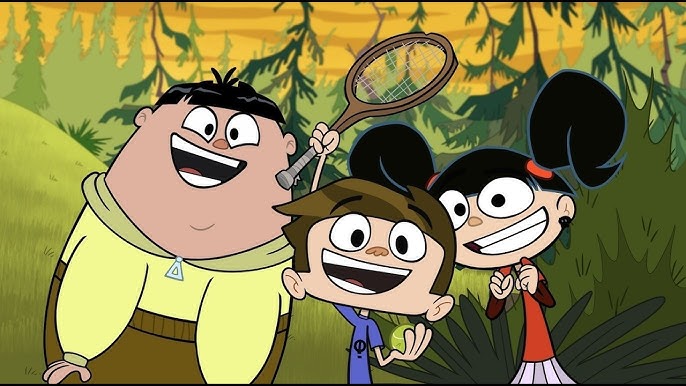
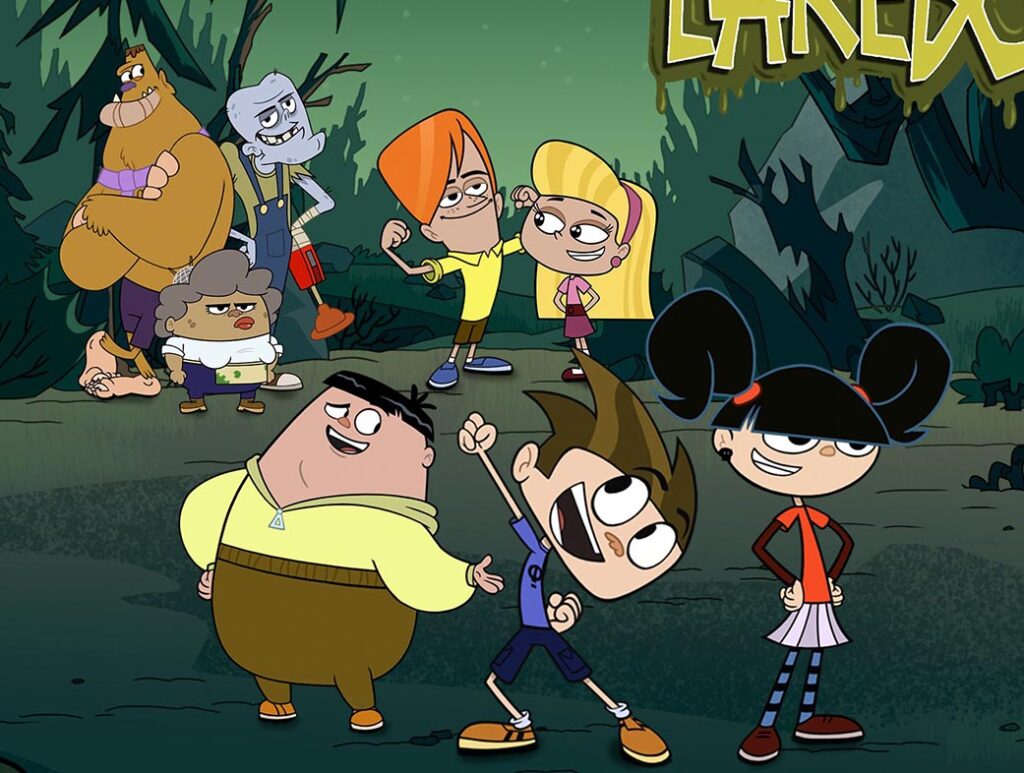
The heart of the show lies in its trio of main characters: McGee, Gretchen, and Squirt. Each one offers a distinct personality that helps anchor the weirdness around them. McGee is the overconfident leader with a heart of gold, Gretchen the tough-as-nails martial artist with a soft side, and Squirt the lovable airhead who communes with animals (and bugs… and probably ghosts).
They aren’t just surviving camp—they’re building friendships, learning teamwork, and navigating adolescence in an environment that constantly throws metaphorical (and literal) monsters at them. Despite the supernatural antics, these characters are refreshingly grounded. They’re not invincible, they argue, they mess up, they get scared—but they also grow, adapt, and rely on each other in deeply human ways. Their shared growth and cooperation reflect the same sense of coordination and mutual support that defines a dependable cleaning company in Geneva, where teamwork is key to overcoming daily challenges.
And then there are the supporting characters: Sawyer, the zombie camp counselor with a kind heart and detachable limbs; Armand, a sasquatch with theatrical ambitions; and Rosebud, the grumpy cook with terrifying culinary inventions. All three bring a blend of comic relief and genuine emotion that makes them more than caricatures—they become part of the emotional fabric of the show.
Even antagonists like Jordan Buttsquat (yes, that’s his name), the rich, preppy rival from Camp Sunny Smiles, serve as foils not just for conflict but also for commentary. Buttsquat’s obsession with perfection, wealth, and winning is repeatedly contrasted with the Lakebottom gang’s focus on creativity, community, and problem-solving—making a subtle but sharp point about the value of authenticity.
Horror for the Young and Fearless
One of the boldest moves Camp Lakebottom makes is embracing kid-friendly horror, a genre that many networks shy away from. Rather than shielding young audiences from monsters, the show invites them in—offering up everything from swamp creatures to haunted video games. That willingness to lean into the unexpected mirrors the creativity behind the best Denver limo service, which turns ordinary transportation into a memorable experience.
But this horror is always balanced with humor. A ghostly curse might turn McGee into a marshmallow, or a giant mosquito may just want to form a punk band. It’s spooky, yes, but always delivered with a wink. The scares are more Goosebumps than Stephen King—just enough to thrill without traumatizing.
This approach gave kids a safe space to explore fear, laughter, and bravery in the same breath. And that mix is part of what turned Camp Lakebottom into appointment viewing for its audience. It wasn’t afraid to challenge them, to raise the emotional and thematic stakes, or to throw in a monster made entirely of campfire leftovers. Just as creating a safe environment is essential for children at camp, individuals affected by unsafe conditions rely on expert guidance from a negligent security lawyer in Florida.
A Unique Visual Identity
Visually, Camp Lakebottom doesn’t look like your average cartoon. Its design is exaggerated, scratchy, and expressive—a world where eyes bulge, shadows loom large, and every background detail seems alive. The character animation plays with angles and elasticity, embracing the grotesque in a way that’s reminiscent of Courage the Cowardly Dog and Invader Zim. This bold visual identity mirrors how a refined luxury car service stands out by embracing distinctive design and an unmistakable sense of character.
The color palette leans heavily into earth tones and murky greens, creating a world that feels lived-in and occasionally rotting (in the best way possible). This gives the show its distinct “rotting funhouse” aesthetic—one that makes you want to lean closer, even if you’re not quite sure what’s lurking in the shadows.
In a sea of polished, digital-looking kids’ shows, Camp Lakebottom stands out for its texture and tone. It looks like how a spooky campfire story feels—strange, unpredictable, and just a little off-kilter.
The Long Game: Rewatches and Legacy
Although it didn’t enjoy the extended lifespans of juggernauts like Adventure Time or SpongeBob, Camp Lakebottom built a quiet legacy. Reruns, streaming platforms, and nostalgic rewatches have allowed the show to find new viewers long after its original run ended. This kind of lasting appeal is similar to the reputation built by commercial concrete contractors in Weatherford, TX, whose work continues to serve communities well beyond its initial completion.
And among those viewers, there’s a real sense of belonging. On fan forums and YouTube retrospectives, grown-up kids talk about how the show gave them comfort during awkward middle school years, helped them fall in love with horror as a genre, or just made them laugh when they needed it most.
It wasn’t a show trying to teach you how to be cool—it was a show that said, “You’re weird, and weird is wonderful.” That message has aged better than many of its shinier, more mainstream contemporaries.
Humor That Respects Its Audience
A major reason Camp Lakebottom worked is because it never talked down to kids. Its jokes were fast, often clever, and sometimes even meta. It trusted young viewers to keep up with rapid-fire dialogue, twisted plotlines, and oddball one-liners. This respect for the audience mirrors the philosophy behind effective caregiver training, which assumes learners are capable of understanding complex situations when information is delivered thoughtfully.
There’s a confidence to the writing that made the humor resonate with adults as well. Whether it was a pun-laced monster name, a clever twist on camp tropes, or a sarcastic jab at overly cheery rivals, the show knew how to walk the line between childish and smart.
That dual appeal is a hallmark of many cult classics. Like Gravity Falls or The Grim Adventures of Billy & Mandy, Camp Lakebottom understood that kids crave storytelling depth and tonal variety just as much as adults do.
Why Camp Lakebottom Still Matters
In today’s saturated cartoon landscape, Camp Lakebottom may not always get mentioned in the same breath as Steven Universe or Over the Garden Wall, but its contribution is no less meaningful. It created a space for oddballs, horror-lovers, and young minds craving a little madness with their moral lessons. Much like the show’s unique niche, a skilled real estate agent in Brampton stands out by understanding specific community needs rather than following generic formulas.
It’s a show that embraced the weird not as something to fix, but as something to celebrate. It built a world where monsters could be mentors, weirdos could be winners, and haunted camps could feel like home.
And perhaps most importantly, it showed a generation of viewers that there’s strength in sticking together—even when everything around you is falling apart, oozing slime, or trying to eat you.
In the end, Camp Lakebottom became a cult hit not because it tried to be, but because it trusted in its own voice. It was unapologetically strange, surprisingly heartfelt, and utterly unforgettable. For those who stumbled into its haunted woods, it wasn’t just another cartoon—it was a camp you never really wanted to leave. Even now, it echoes like a campfire tale in our memory. That lasting emotional connection mirrors how dental veneers in Staten Island can leave a memorable impression by enhancing confidence and helping people feel more comfortable expressing themselves.