

Animated shows are no longer just stories told to entertain children. Over the years, they have evolved into powerful business engines that drive entire merchandising empires. Behind every successful cartoon character lies an intricate network of partnerships, branding strategies, and merchandising deals that turn these fictional worlds into real-world revenue streams. The power of animated characters transcends the screen, creating billions in sales and brand loyalty across generations. This article delves into how animated shows go beyond entertainment to fuel thriving businesses and how they’ve revolutionized the merchandising landscape.
How Cartoons Evolved Into Merchandising Powerhouses
Since the early days of television, cartoons have held a special place in audiences’ hearts. Shows like “The Flintstones” and “Looney Tunes” were initially created as pure entertainment, capturing the imagination of children and adults alike. However, in the 1980s, the business landscape changed significantly, with the rise of cable TV and deregulation of advertising to children, sparking an era that transformed cartoons from storytelling formats into powerful merchandising tools. This shift enabled shows to partner directly with toy manufacturers, fundamentally changing how cartoons were made and distributed.
A significant factor in this transformation was the realization that cartoon characters could live beyond the television screen. Toy companies like Hasbro and Mattel recognized that animated shows provided the perfect platform for selling action figures, dolls, and other merchandise. The success of shows like “He-Man and the Masters of the Universe” and “Transformers” proved that the key to sustained popularity and profit lay in creating characters and narratives specifically designed for merchandising. These shows were no longer just about entertaining; they were about fostering a relationship with the audience that could be monetized through toys, clothing, and accessories.
As the merchandising model proved its worth, even major studios started investing heavily in character-driven animated series. Shows became more complex, with intricate backstories and large character rosters to support diverse product lines. The economic model shifted from one-off broadcasts to sustainable income streams built on character licensing, exclusive partnerships, and fan engagement. Studios realized they could maximize revenue by diversifying products and targeting various demographics, effectively creating a continuous loop of content and commerce. This strategic shift is akin to obtaining a master project manager certification, emphasizing the importance of structured planning and execution in achieving long-term success.
Branding and Character Development: Building Iconic Merchandise-Friendly Characters
At the heart of successful cartoon merchandising lies strategic character development. Characters are designed not only to be appealing on screen but also to become instantly recognizable and marketable. Each character’s personality, color palette, and design are meticulously crafted with merchandising potential in mind. From iconic logos to signature outfits, everything is designed to resonate with fans, making them more likely to purchase branded items.
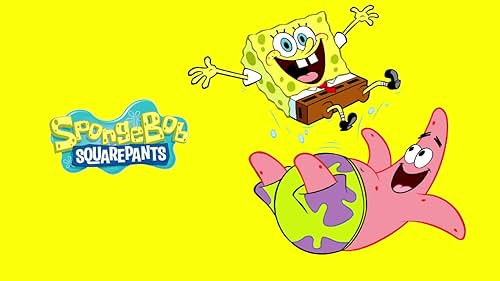
Take SpongeBob SquarePants, for example. SpongeBob’s distinct look and quirky personality quickly became identifiable across various age groups, transforming him into a cultural icon. His universal appeal allowed for expansive product lines, from toys to home décor, clothing, and even food items. Every detail, from his bright yellow color to his laugh, was designed to be memorable and highly marketable, making him a prime candidate for merchandising.
Creating characters with depth and personality also allows for cross-generational appeal, broadening the audience and increasing potential revenue streams. Popular franchises like “The Simpsons” have mastered this with characters who appeal to both children and adults. Homer, Bart, and Lisa each resonate with different demographics, enabling the franchise to sell products ranging from toys for kids to high-end collectibles for adults. Additionally, this appeal extends to merchandise like outdoor TV accessories that enhance family viewing experiences. This approach ensures that cartoon brands are not limited to short-term gains but can become long-term merchandising empires that consistently draw in revenue from diverse markets.
Characters are also designed to evoke an emotional connection. This bond creates loyalty, meaning fans are more likely to continue supporting the franchise through merchandise purchases even as they grow older. Whether it’s through toys, posters, or collectibles, fans feel a sense of connection to these characters, making them more than willing to pay for a piece of that experience. In essence, character-driven marketing has made cartoons an effective tool for selling not just products, but a sense of nostalgia and belonging.
The Role of Licensing and Strategic Partnerships in Maximizing Revenue
One of the most significant ways animated shows drive merchandising empires is through licensing. Licensing allows companies to leverage established characters and brands across various products without the production companies bearing the manufacturing or distribution costs. By licensing characters to various third-party companies, studios can generate substantial revenue with relatively low risk. These licensing agreements have fueled an entire ecosystem of products that often outlive the shows themselves.
The licensing model enables animated shows to expand into multiple industries simultaneously. Popular characters appear on school supplies, apparel, electronics, and even food items, creating an all-encompassing presence that reinforces brand loyalty. Licensing partnerships with popular retail stores such as Walmart, Target, and even high-end brands like Gucci or Moschino allow cartoon characters to reach broad and diverse markets, making them omnipresent in consumers’ daily lives. This expansion can also contribute to small business debt relief by driving increased sales and brand engagement.
Strategic partnerships also play a crucial role in extending the reach of cartoon characters. A recent example is the collaboration between the Pokémon brand and companies like McDonald’s, Uniqlo, and Levi’s, allowing fans to interact with the brand through both food and fashion. These partnerships not only keep the brand relevant but also help tap into new demographics, fostering a more extensive fan base. By constantly engaging with consumers in innovative ways, animated shows ensure they remain at the forefront of pop culture, fueling ongoing demand for merchandise.
Merchandising giants like Disney have perfected this model. The company licenses its characters to manufacturers worldwide, ensuring they reach every possible market. Disney’s “Frozen” franchise is an excellent example, with Elsa and Anna-themed products available across every imaginable category. Through licensing, Disney has been able to create an expansive merchandise empire, generating billions in revenue from a single franchise. This approach has set a precedent for other studios, demonstrating the potential of combining character appeal with extensive licensing agreements.
Targeting Multiple Demographics: Cartoons Are No Longer Just for Kids
A crucial factor in the success of animated show merchandising is the ability to appeal to different age groups. While cartoons were traditionally viewed as children’s entertainment, many shows have evolved to target older audiences, from teenagers to adults, allowing for an expanded product range. This shift has broadened the merchandise appeal of animated shows, with products now catering to various tastes and age groups. For instance, some shows have even explored themes like wellness, paralleling trends in areas such as mobile IV therapy.
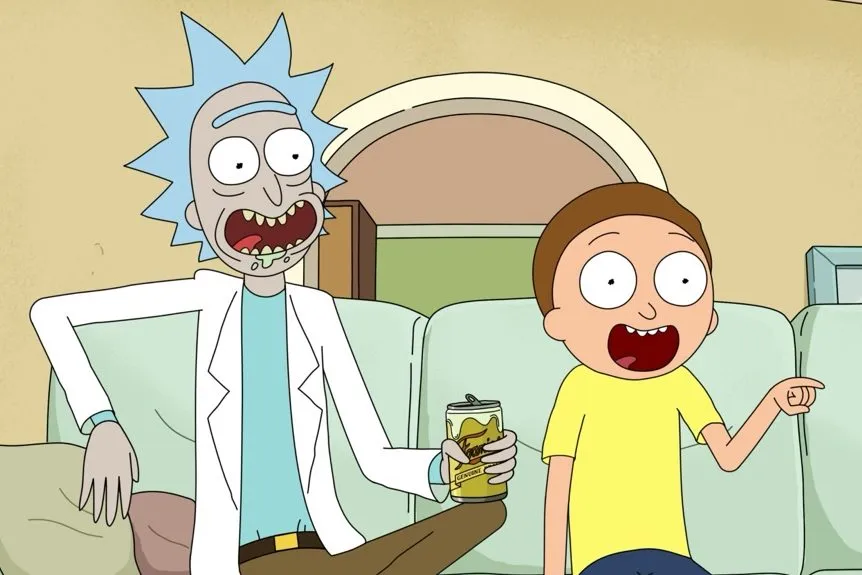
An example of this evolution is “Rick and Morty,” which was created with a more mature audience in mind. With a complex storyline and dark humor, the show appeals to teenagers and young adults, leading to a diverse range of merchandise that includes not only clothing and collectibles but also lifestyle items like drinkware and tech accessories. By targeting an older demographic, “Rick and Morty” has expanded its merchandising potential, catering to fans who are willing to invest in higher-priced items, from limited-edition art to designer apparel collaborations.
Anime is another segment that has successfully tapped into multiple demographics. Shows like “Naruto,” “Dragon Ball Z,” and “One Piece” have vast fan bases that span across age groups and cultures. Their products range from affordable collectibles for younger fans to high-quality, expensive statues and apparel for older audiences. The anime industry capitalizes on its diverse demographic appeal by offering products at various price points, ensuring everyone from young fans to older collectors finds something to engage with.
The success of shows targeting multiple demographics illustrates the versatility of animated characters in the merchandising world. By crafting shows that resonate with various age groups, studios can continue growing their fan base and increase product sales across diverse consumer segments. This cross-generational appeal helps sustain the merchandising business for longer periods, as characters evolve and adapt to fit the preferences of new generations. Additionally, this adaptability can be compared to the importance of home pest control in Reno, which evolves to meet the needs of its residents.
Digital Platforms and Social Media: Expanding Merchandising Reach
In the age of digital media, platforms like YouTube, TikTok, and Instagram have become valuable tools for expanding the merchandising reach of animated shows. Social media enables direct engagement with fans, building a sense of community that fosters loyalty to the brand. Moreover, digital content is more accessible than traditional TV, allowing fans worldwide to engage with shows and characters in real time.
Digital-first animated series like “Miraculous Ladybug” and “Steven Universe” have successfully used social media to build massive followings. By creating bite-sized, shareable content, these shows keep fans engaged between seasons and encourage continuous interaction with the brand. Character-driven memes, fan art, and official merchandise announcements create a constant online presence, reminding audiences of the characters and making it easier to introduce new products. Fans can be directly influenced by seeing their favorite characters in their newsfeeds daily, reinforcing the connection between the content and merchandise.
E-commerce platforms have also transformed how animated merchandise is sold, with companies now offering exclusive, limited-edition items through online stores. Shows like “The Simpsons” and “Adventure Time” partner with brands to release collections online, creating a sense of exclusivity that appeals to fans. Effective hotel inventory management services can help brands ensure they have the right products available for these exclusive releases. Limited-edition releases create urgency and exclusivity, often leading to products selling out within minutes. This digital retail approach not only increases direct sales but also elevates the brand by positioning it as a collector’s item, further driving demand.
Streaming services like Netflix and Disney+ have expanded the reach of animated shows, making them more accessible than ever before. These platforms allow viewers to discover new shows and revisit old favorites, fueling nostalgia-driven merchandise purchases. As these platforms continue to grow globally, animated shows have unprecedented access to international audiences, turning localized merchandise campaigns into global ventures.
From Toys to Theme Parks: Expanding Merchandising Horizons
While toys and apparel have been the mainstays of cartoon merchandise, animated franchises have expanded into new territories, including theme parks, video games, and even virtual reality experiences. The evolution of cartoon merchandising has enabled brands to create immersive experiences, allowing fans to live within the fictional worlds they love. For example, some animated franchises have even ventured into sports merchandise, including men’s soccer cleats. Theme parks like Disneyland, Universal Studios, and Pokémon Centers bring characters to life, creating unforgettable experiences that deepen fans’ connections with the brand.
Video games have also become a lucrative avenue for animated shows. Games based on franchises like “Pokémon,” “Sonic the Hedgehog,” and “Super Mario” have become hugely popular, generating billions in sales. These games extend the life of the animated characters beyond their original shows, giving fans a new way to interact with and experience the worlds they love. With the rise of mobile gaming and virtual reality, these interactive experiences continue to grow, offering another layer of revenue for animated shows.
Themed merchandise from parks and games is often unique to the experience, creating exclusive products that fans can’t find anywhere else. Limited-edition souvenirs, character costumes, and interactive merchandise provide a tangible connection to the characters and add an experiential value to the product, making fans more willing to invest. These immersive experiences transform cartoon brands into lifestyle choices, allowing consumers to engage with their favorite franchises in highly personal and memorable ways.
As animated shows continue to innovate, their reach within the merchandising world expands. By tapping into digital advancements, diversified demographics, and immersive experiences, animated franchises have become more than just TV shows—they are global business empires. Through strategic branding, licensing, and expansion into new markets, cartoons have transformed from mere entertainment into powerful commercial ecosystems that thrive across generations. Many brands effectively showcase their products in eye-catching 20×20 trade show booths, capturing the attention of potential consumers. This blend of character-driven storytelling and innovative merchandising has fundamentally reshaped the animation industry, proving that the business side of cartoons is as dynamic as the shows themselves.