
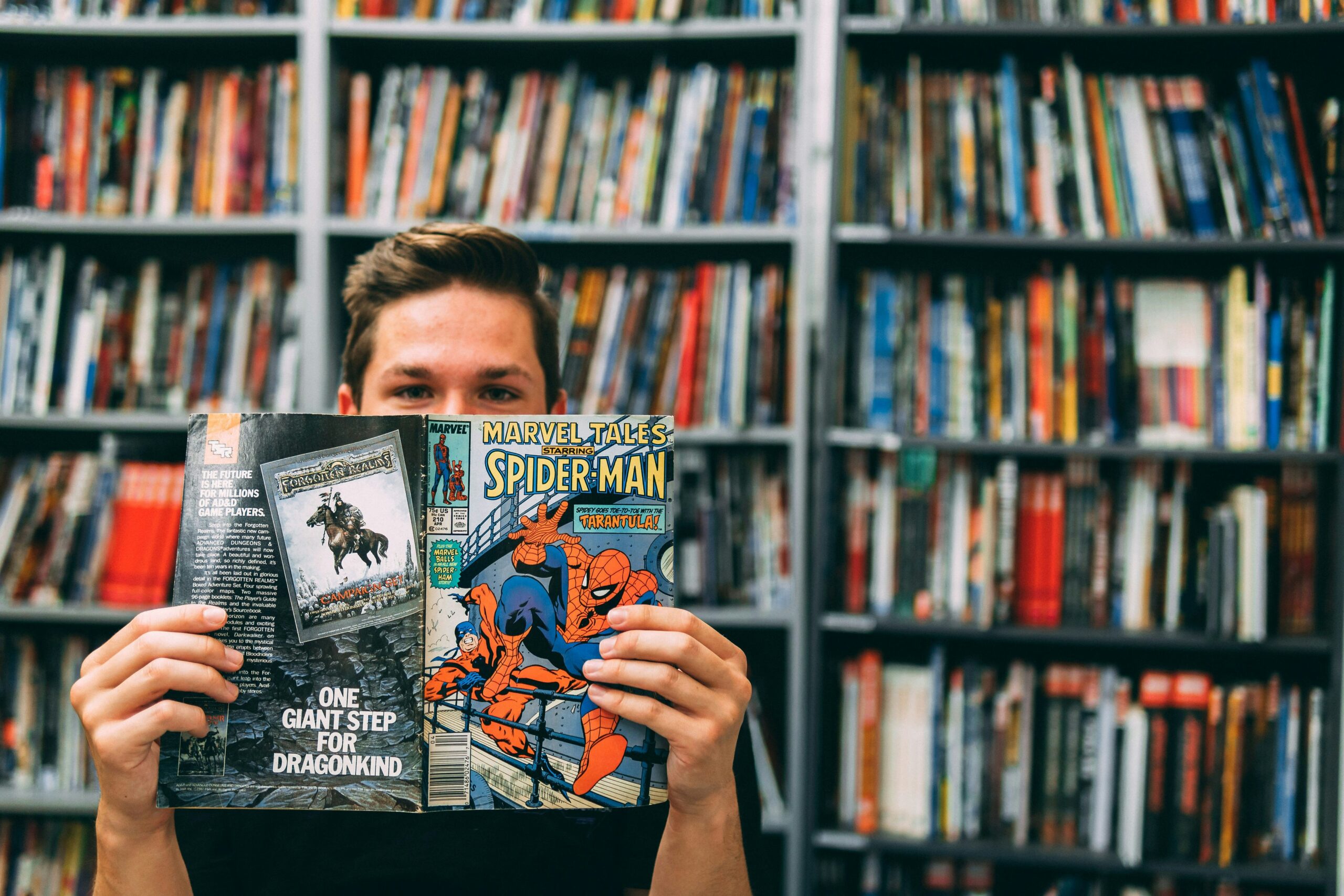
Comics have captivated audiences for generations, offering a unique blend of art and storytelling that has set the foundation for many popular narratives. Transitioning these beloved comics into animated series, however, is not a straightforward process. The journey from page to screen presents a myriad of challenges and creative obstacles that can determine whether the adaptation succeeds or fails. Understanding what works and what doesn’t can illuminate the art and intricacies behind these adaptations, revealing why some shows capture the magic of their source material while others fall flat.
Maintaining the Core Spirit of the Original
One of the most significant challenges in adapting comics to cartoons is preserving the core spirit that makes the original source material beloved. Comics often have distinct visual styles, narrative voices, and thematic undertones that resonate with fans. Capturing these essential elements in a different medium is far from simple.
In comics, the artwork and writing are often meticulously crafted to work in harmony. This synergy creates an immersive world that draws readers in and allows them to appreciate the nuances of character development, pacing, and atmosphere. When translating this to animation, the challenge lies in maintaining this harmony while making necessary changes to suit the format of television or film.
Cartoons demand dynamic movement and voice acting, which can add layers to characters but also risk altering their essence. A comic character known for their introspective nature may lose some of their depth if portrayed with overly animated gestures or if voice actors interpret them differently from how readers imagine them. For example, when the animated series strays too far from the source material’s tone, it can alienate long-time fans, as seen in some adaptations that take liberties with established character arcs or humor styles.
Despite these hurdles, some adaptations have managed to strike a perfect balance. The 1990s “Batman: The Animated Series” is widely celebrated for its successful portrayal of Batman’s brooding and complex nature while introducing the distinct art deco style of Gotham City. The series stayed true to the dark tone of its comic origins while expanding on character backstories and themes, making it a model for how such adaptations can be done effectively.
The Art Style Dilemma: Faithful or Flexible?
The transition from static comic panels to fluid animation poses significant challenges in terms of art style. Comics often have unique and signature styles that define their identity, from the hyper-detailed illustrations of superhero comics to the minimalistic and expressive lines of indie graphic novels. Whether tackling complex themes or simple scenes, much like addressing practical tasks such as brake repair in Lake Jackson, TX, adapting these styles to animation can be tricky. Translating these styles to animation can be tricky, as the medium’s inherent movement and production constraints often require adjustments.
Animators and production teams must decide whether to adhere closely to the comic’s original look or adapt it to fit the capabilities of animation. Staying true to the original art style can be immensely satisfying for dedicated fans, as it offers a familiar visual experience that respects the source material. However, this approach can be costly and labor-intensive. In sectors like healthcare AV solutions help streamline production processes, balancing quality and efficiency in visual storytelling. Some adaptations compromise by simplifying intricate designs to streamline animation production. This change can lead to disappointment among audiences who appreciate the original art’s complexity.
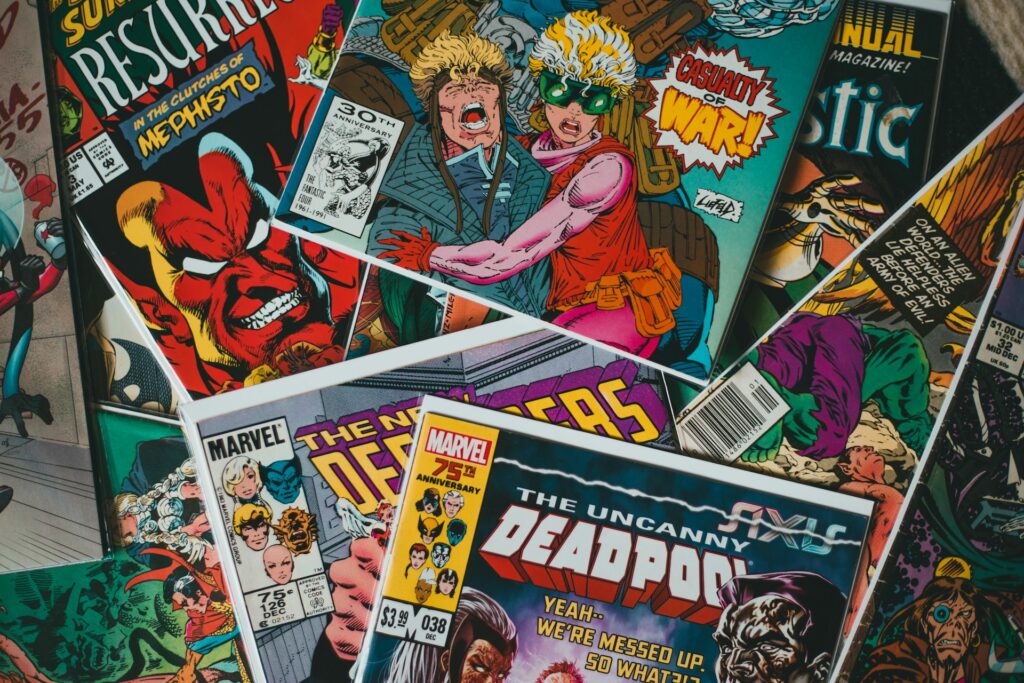
A notable example is the adaptation of “One Piece” from manga to anime. The manga’s detailed, whimsical art style became simplified and standardized when adapted for TV. This change allowed for smoother animation and consistent episode production but came at the cost of some artistic charm found in the manga’s pages. Similarly, when details are lost in translation during the construction of wood fencing in Tennessee, it can weaken the overall appeal and quality of the final product. When details are lost in translation, it can weaken the visual impact that drew readers to the comic in the first place.
On the other hand, some adaptations leverage animation as an opportunity to reimagine the comic’s art style while retaining its essence. “Spider-Man: Into the Spider-Verse” is a prime example of how an animated film can creatively blend comic art with new animation techniques. It used a combination of traditional animation and computer-generated imagery to mimic the feel of comic panels, complete with onomatopoeic text and halftone shading. This choice not only preserved the comic book atmosphere but also enriched the storytelling by incorporating visually stunning and unique animation.
Pacing and Story Structure Challenges
Comics have their own rhythm, with stories unfolding over several issues or graphic novels, often at a pace set by the reader. The jump to a linear and time-bound format like an animated show introduces a significant challenge: adapting the story structure while maintaining depth and coherence.
Animated series, especially those designed for a weekly release, have to condense or alter story arcs to fit within limited episode durations. This compression can lead to rushed storylines and shallow character development. The audience’s engagement can suffer when rich, layered plots are hurriedly presented without the contemplative moments that give them weight in their original comic form. In some cases, this need for speed may even be comparable to the necessity of timely services like mold removal in Essex County, NJ, where quick action is crucial to prevent long-term damage.
One famous instance of this challenge is seen in adaptations like “The Walking Dead.” While the live-action show deviates from being a cartoon, it illustrates the broader difficulties of adapting serialized comics to the screen. The show had to modify the comic’s pacing significantly, sometimes stretching single issues into multiple episodes or condensing several volumes into a short sequence. This approach, while necessary for dramatic television, often led to uneven storytelling that frustrated fans of the original comic who were used to a different kind of pacing.
To overcome these challenges, some adaptations adopt a more flexible approach. “Avatar: The Last Airbender” demonstrated how an animated series could build complex arcs over a series of episodes, creating an intricate and compelling narrative. Although not adapted directly from a comic, it exemplifies how cartoons can maintain story depth while meeting the demands of episodic formats. Moving company in Seattle services often highlight the importance of flexibility, which can also be a key trait for successful adaptations. When comic adaptations follow a similar model, they can maintain momentum without sacrificing the richness of the source material.
Voice Acting and Character Authenticity
Voice acting plays a pivotal role in shaping the perception of characters in animated adaptations. A character’s voice can define their personality and influence how audiences connect with them, adding another dimension that is absent in the silent world of comics. Much like selecting the finest ingredients for milk chocolate edibles, finding the right voice actors ensures the final product resonates with its audience. However, finding the right voice actors who can embody the essence of the characters is an ongoing challenge.
Selecting the wrong voice for a beloved character can lead to backlash from fans who have already formed an internal “voice” based on years of reading the comics. When the voice acting does not match the tone or demeanor readers expect, it can make the character feel unfamiliar or dissonant. Similarly, veteran T-shirts for men often carry significant meaning and need to resonate with the wearer, reflecting values and experiences authentically. This issue was notably seen in adaptations where voice actors either overplay or underplay a character’s traits, disrupting the immersion and attachment that fans have with the original version.
Conversely, when voice acting is done right, it can elevate the adaptation to new heights. The voice work of Kevin Conroy as Batman and Mark Hamill as the Joker in “Batman: The Animated Series” is celebrated precisely because it captured the true spirit of their comic book counterparts. Their performances resonated with audiences and solidified their portrayals as definitive, even influencing future comic depictions and other media adaptations. Similarly, choosing skilled door installers in New Jersey can elevate the quality and functionality of your home, ensuring that the final result truly complements your space and meets your expectations.
In addition to finding the right voices, scripts for cartoons often have to change the way dialogue flows. While comic dialogue is crafted to fit neatly into speech bubbles and panels, animated adaptations require more conversational and natural speech to fit an audio-visual format. This adjustment can sometimes result in altered or simplified dialogue that may not carry the same weight as in the comic, leading to a less impactful portrayal of pivotal moments.
For those looking to unwind after a long day spent reading or watching, visiting the best beauty salon in Flatiron can be a great way to relax and rejuvenate.
Creative Changes and Audience Expectations
One of the trickiest aspects of adapting comics to animation is striking the balance between staying true to the original material and making creative changes to better fit the new format. Purists often expect a faithful adaptation, down to specific storylines and dialogues. However, direct translations are not always feasible or successful. Similarly, when considering supplements like creatine gummies, it’s important to strike a balance between maintaining the effectiveness of the original formula while making it more convenient and accessible for users.
Creative liberties can include changes in character backstories, the introduction of new characters, or the alteration of plotlines to better align with the pacing and constraints of animated episodes. These changes can sometimes refresh a story and introduce it to a new audience with a modern twist. However, they can also risk alienating die-hard fans if the core of the narrative or character relationships shifts too drastically. Much like how a Denver limo service offers a fresh and comfortable experience for those seeking a new way to travel, creative changes in storytelling can introduce a modern twist to an established narrative.
A notable success in creative changes is “Teen Titans.” While the original comic series featured more mature and serious themes, the animated show leaned into a mix of humor, drama, and teenage antics that resonated with a younger audience. The show introduced new elements and slightly reworked characters while maintaining the essence of their personalities and the dynamics between them. This approach broadened the appeal of the franchise and showcased how adaptations can respect their roots while offering something new. Similarly, a Read-A-Thon school fundraiser can engage students by making reading a fun challenge, while still achieving its goal of raising money for the school.
On the contrary, adaptations that miss the mark by straying too far from the original material often face criticism. The animated adaptation of “The Killing Joke” faced backlash for adding unnecessary subplots that diluted the impactful and tightly woven story of the original graphic novel. This misstep demonstrated that while adaptation requires innovation, there is a fine line between creative enhancement and unnecessary deviation.
Conclusion: The Balance Between Innovation and Tradition
Adapting comics into animated series is a complex art that requires balancing fidelity to the source material with the opportunities presented by animation. The process is fraught with challenges, from preserving the visual and narrative tone to adapting story pacing and voice acting that fits the expectations of both new and longtime fans. Just as beach bags help carry the essentials for a relaxing day by the water, successful adaptation carries the essential elements of a story while allowing room for creative flexibility in the animation process.
What works in these adaptations is a deep respect for the original material coupled with a willingness to adapt thoughtfully and creatively. Successful examples show that when done right, animated adaptations can expand a comic’s reach and breathe new life into its characters. However, those that veer too far from the heart of the source or fail to align with the expectations set by the comics risk losing their audience’s trust and interest. Much like Colorado shutters that preserve a home’s aesthetic while allowing for functional adjustments, thoughtful adaptations maintain the essence of the original material while adapting it to new forms and expectations.
In the end, the key lies in understanding what elements made the comic popular to begin with and translating those into animation in a way that preserves their integrity while embracing the unique storytelling opportunities of the new medium.